


Overview
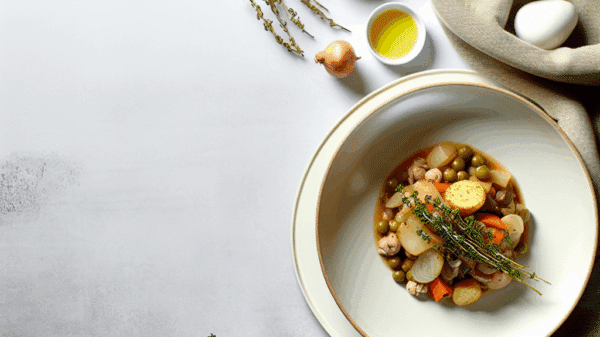
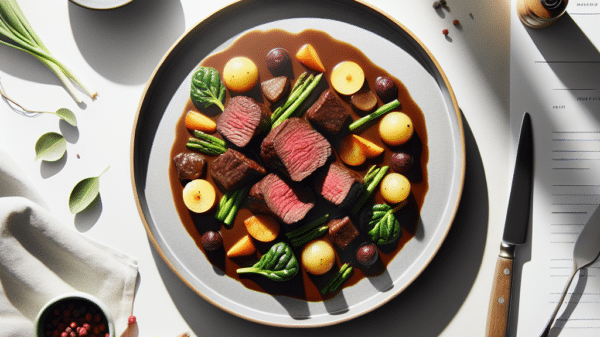
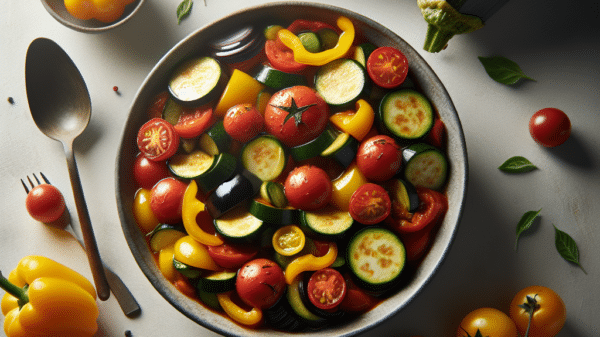
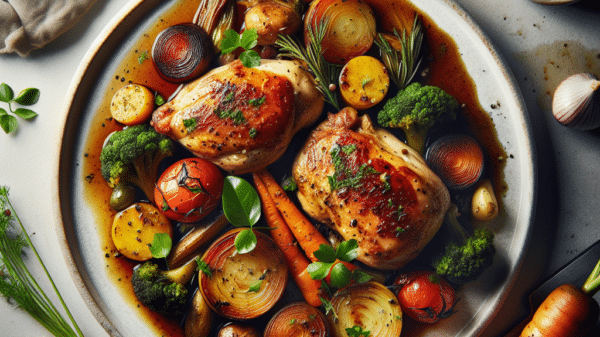
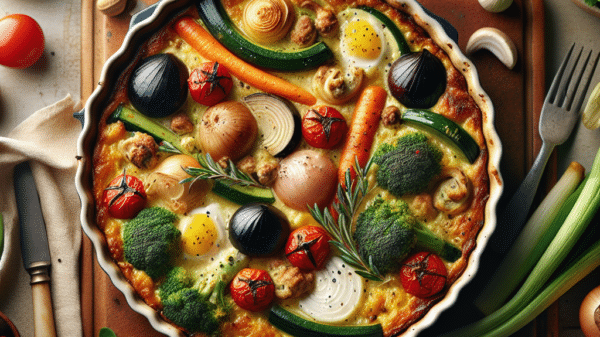
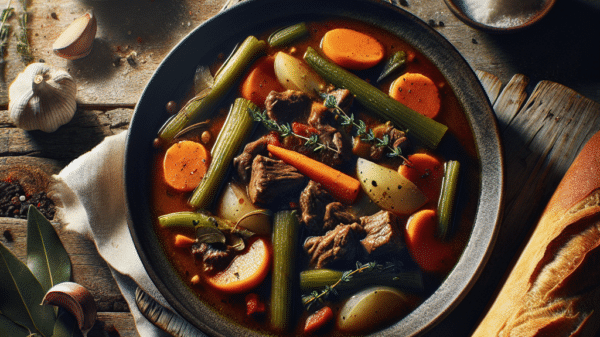
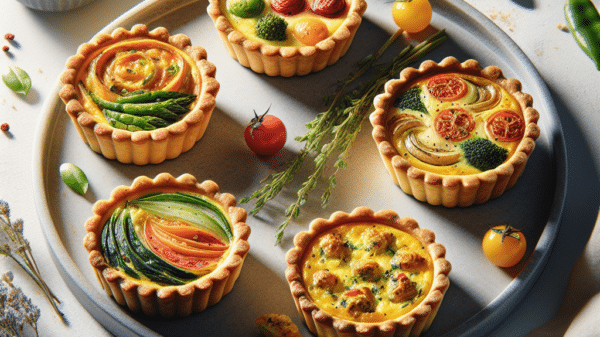
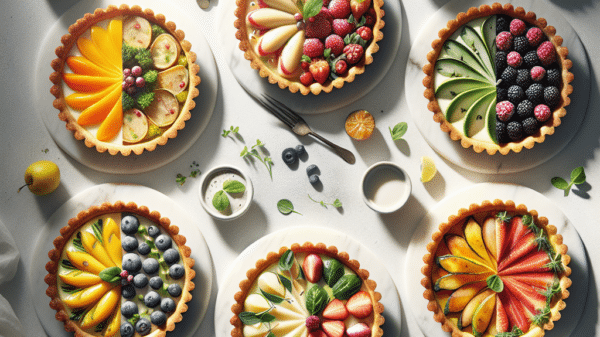
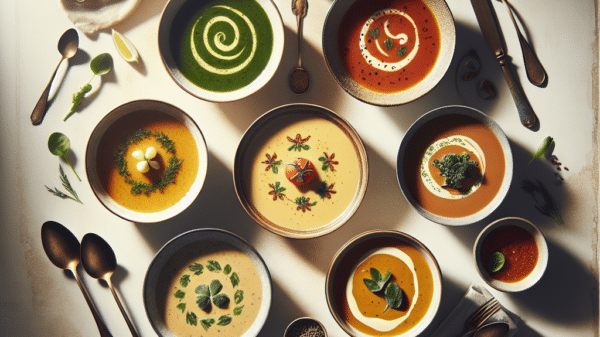
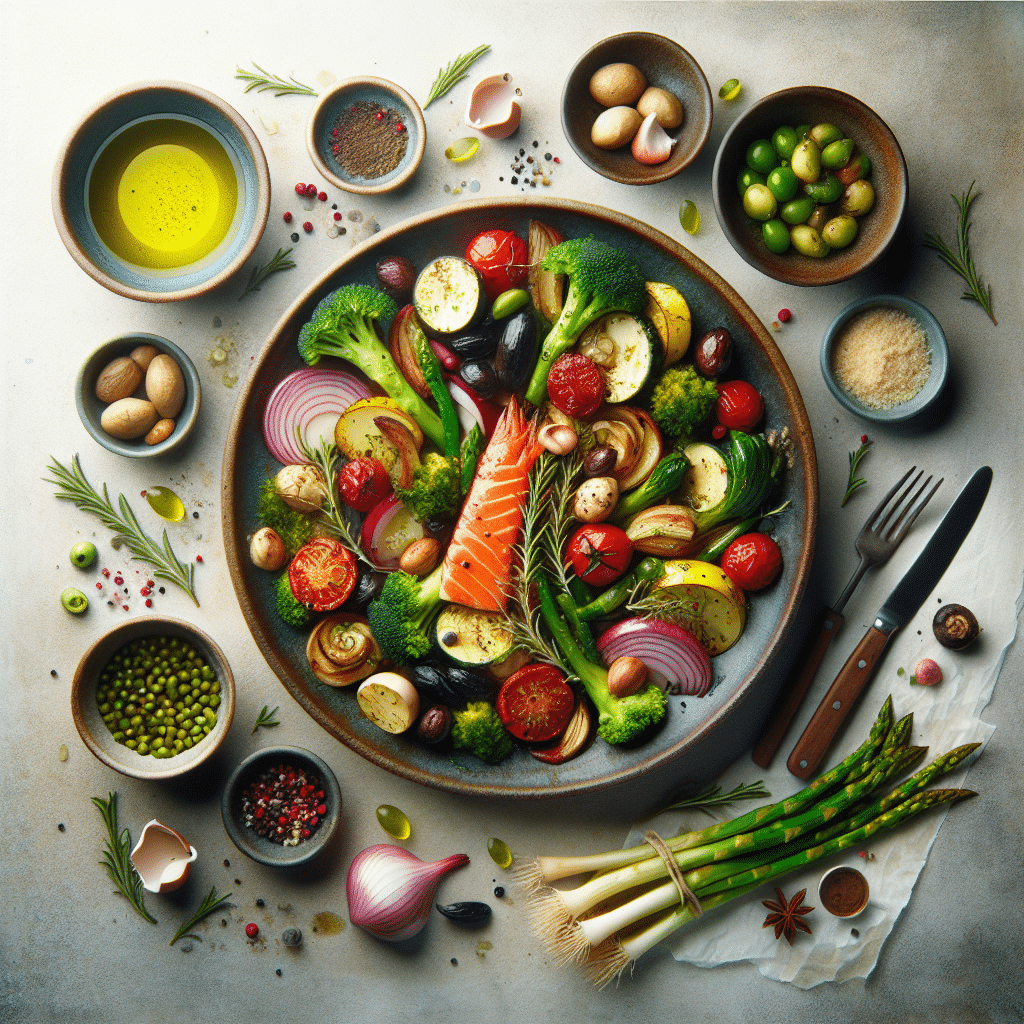
Seasonal Normandy dishes showcase the rich culinary heritage rooted in the picturesque landscapes of Normandy, France. Known for its abundance of seafood, dairy products, and fresh produce, this region’s cuisine is perfect for anyone looking to explore authentic French flavors. These dishes are ideal for family meals and festive gatherings, bringing everyone together to enjoy the essence of French cooking.
Most recipes take around 1 to 2 hours to prepare and cook, with a moderate difficulty level fit for home cooks who desire an authentic taste of Normandy. The flavor profile is rich and savory, often featuring creamy sauces, fresh herbs, and the gentle sweetness of seasonal vegetables.
Ingredients
- 1 kg (2.2 lbs) of fresh seafood (e.g., mussels, clams, and shrimp)
- 200 g (7 oz) of crème fraîche
- 2 tablespoons (30 ml) of extra-virgin olive oil
- 2 cloves of garlic, minced
- 1 medium onion, finely chopped
- 300 ml (10 fl oz) of dry white wine (e.g., Muscadet)
- 300 g (10.5 oz) of seasonal vegetables (e.g., leeks, carrots)
- Fresh herbs (e.g., thyme, parsley) as needed
- Salt and pepper to taste
Step-by-Step Instructions
- Preparation (15 minutes): Clean the seafood under cold water. Remove any sand or debris, especially from mussels and clams. Chop the seasonal vegetables and garlic finely.
- Sautéing (10 minutes): In a large pot or Dutch oven, heat the olive oil over medium heat. Add the finely chopped onion and garlic, stirring until translucent and fragrant.
- Cooking the Vegetables (10 minutes): Add the chopped seasonal vegetables to the pot and sauté for another 5-7 minutes until they begin to soften.
- Deglazing (5 minutes): Pour in the dry white wine to deglaze the pot, scraping any brown bits from the bottom. Allow the wine to simmer for about 3 minutes.
- Cooking the Seafood (10-15 minutes): Add the seafood to the pot, gently stirring to combine. Cover with a lid and steam until the seafood opens (about 5-10 minutes). Discard any unclosed shells.
- Final Touch (5 minutes): Reduce the heat and stir in the crème fraîche, herbs, and season with salt and pepper. Allow everything to meld for about 5 minutes.
- Plating (5 minutes): Serve hot, garnished with fresh herbs, and drizzle with a bit more crème fraîche if desired.
Variations & Substitutions
For those looking for dietary swaps:
- Vegan: Substitute seafood with tofu or chickpeas, and use coconut cream instead of crème fraîche.
- Gluten-Free: Ensure the broth or wine is certified gluten-free, as most wines are naturally gluten-free.
- Dairy-Free: Use plant-based cream or a mix of non-dairy yogurt with lemon juice.
Regional variations could include adding local spices or using different seafood based on what is available, maintaining the essence of Normandy while introducing innovative flavors.
Make Ahead, Storage & Reheating
This recipe can be partially prepared ahead of time. Clean and chop veggies and seafood can be stored in the fridge for up to a day prior. The full dish can be made a day in advance and stored in the refrigerator for 2 days or frozen for up to 3 months.
To reheat, place in a pot over medium heat. Add a splash of wine or water to maintain moisture and gently stir until heated through without overcooking the seafood.
Nutrition (Approx.)
Per serving (approximately 300g):
- Calories: 350
- Protein: 25g
- Carbohydrates: 20g
- Fat: 18g
Swap protein sources for varying macronutrient profiles; for example, using tofu instead of seafood would significantly reduce the fat content.
Serving Suggestions
Pair your Normandy seafood dish with:
- Sides: A simple green salad with vinaigrette or crusty French bread.
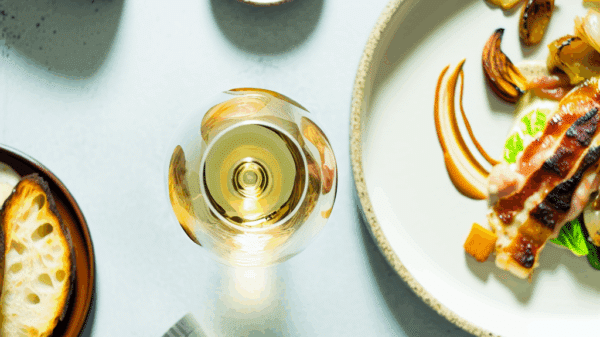
- Wines: A refreshing white wine like Muscadet or a crisp rosé.
For kids, consider serving the dish in a ternary format with containers separating each element for visual appeal. Green herbs or edible flowers make for elegant garnishing touches.
FAQs
- Can I use frozen seafood? Yes, but ensure it’s thoroughly thawed and drained before cooking.
- How do I know when the seafood is cooked? The shells will open, and the flesh should be opaque and firm.
- What if I don’t have certain vegetables? Feel free to substitute with whatever seasonal veggies you have on hand.
- Can I make this dish in a slow cooker? Yes, you may use a slow cooker, but add the seafood near the end to avoid overcooking.
- Can I substitute other proteins? Absolutely! Chicken breast or white fish can work well, just adjust cooking times accordingly.
Conclusion
Cooking authentic Normandy dishes is about embracing fresh ingredients and traditional techniques. Ensure you focus on texture and flavor, avoiding common pitfalls like overcooking seafood. Experiment with variations and explore the region’s rich culinary landscape. We encourage you to share your interpretations or favorite dishes inspired by Normandy. Bon appétit!