
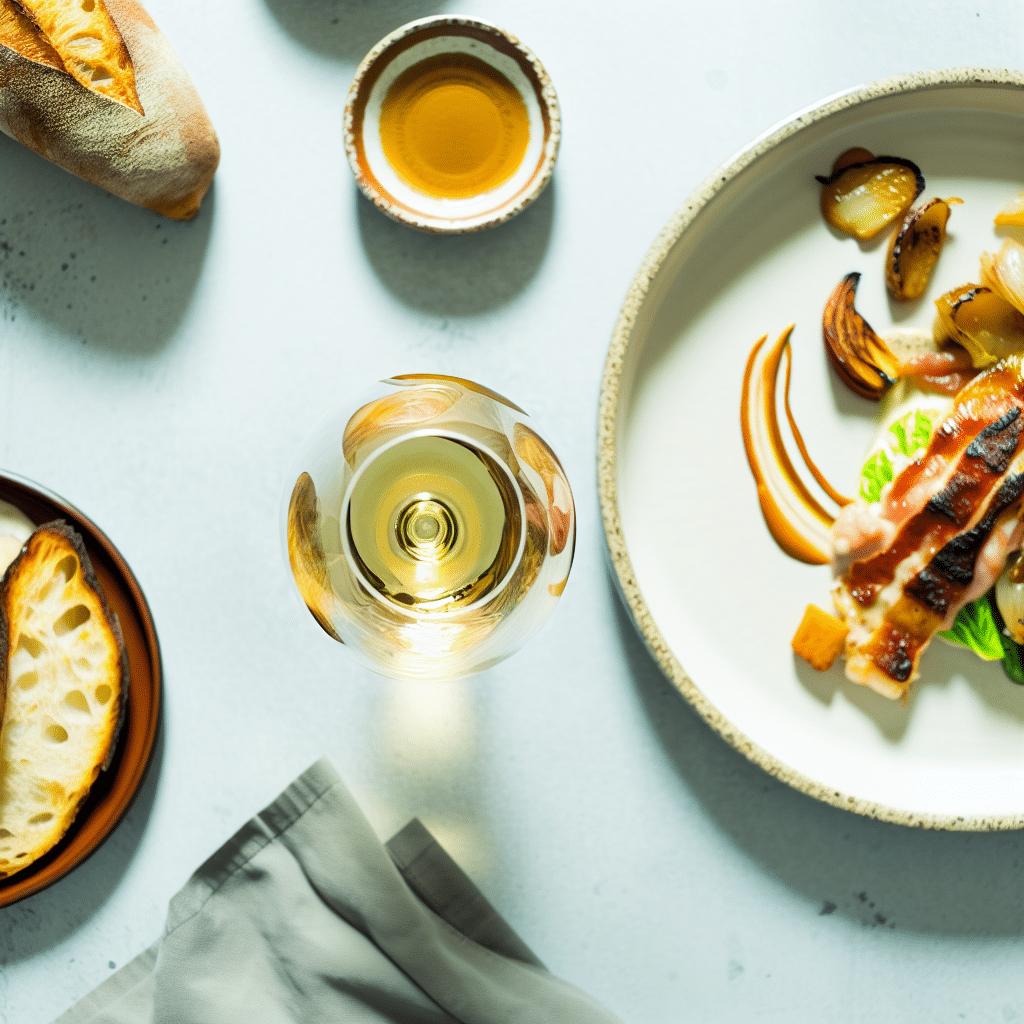
Overview
Pairing French white wine with classic French dishes is a delight for both the palate and the soul. French white wines are renowned for their diversity, ranging from crisp and refreshing to rich and buttery. These wines are perfect for food lovers and casual drinkers alike who appreciate the subtleties of flavor in pairing food and drink.
Prep Time: 10 minutes
Difficulty: Easy
Regional Origin: Bordeaux, Burgundy, Loire Valley
The flavor profile of French white wines varies widely. For instance, a Sauvignon Blanc from the Loire Valley is often vibrant with citrus notes and herbaceous undertones, while a Chardonnay from Burgundy may exhibit flavors of stone fruit and buttery oak. The typical aromas range from floral to fruity, and the body can range from light to full. This versatility makes French white wine suitable for various occasions, including brunch, relaxed afternoon drinks, festive gatherings, and food pairings.
Ingredients
- 1 bottle of French white wine (750 mL)
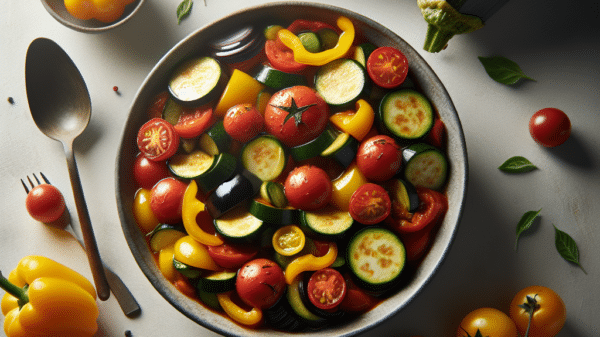
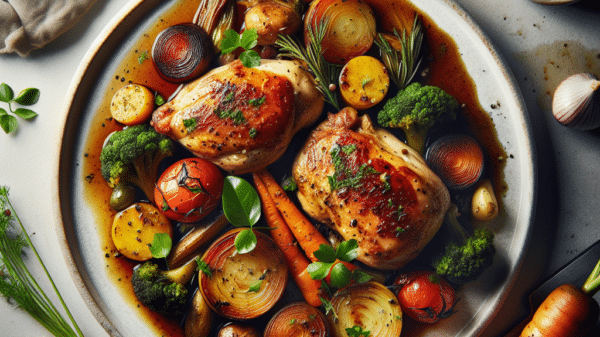
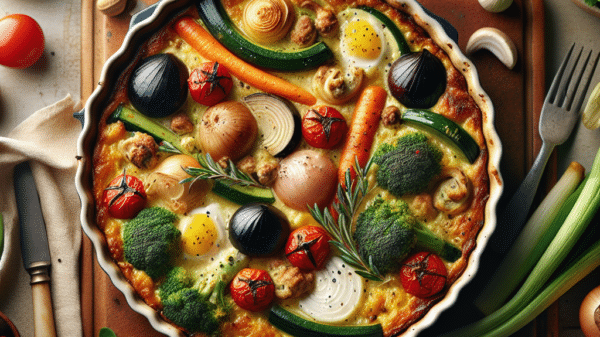
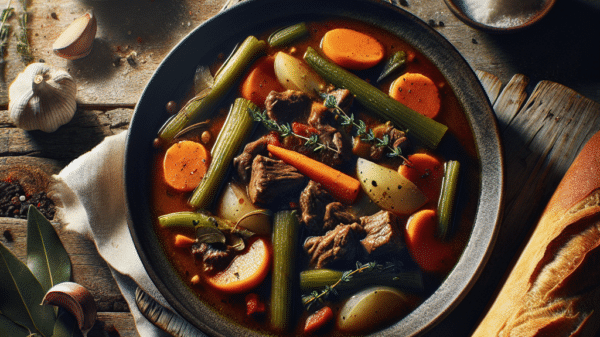
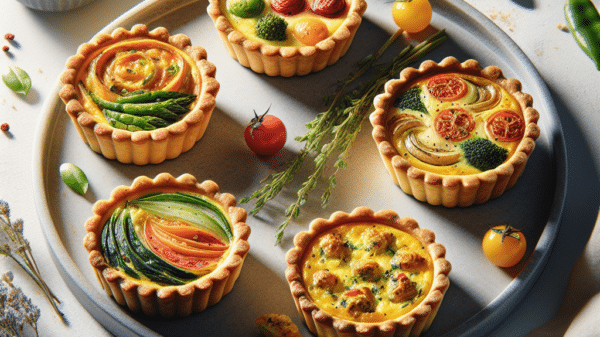
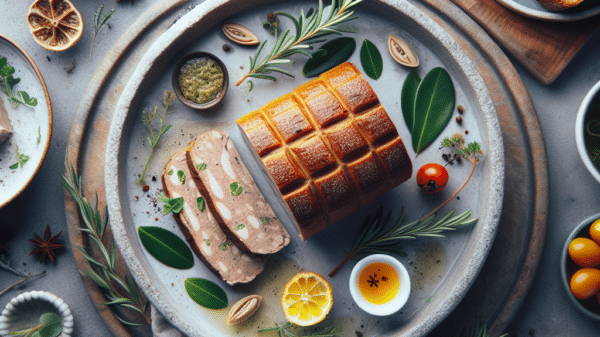
- Classic French dishes (e.g., Coquilles Saint-Jacques, Poulet à la Crème, Ratatouille)
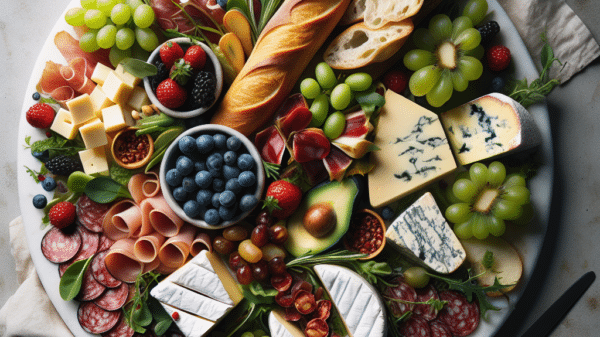
- Cheese platter (Brie, Camembert, or fresh goat cheese)
- Fresh herbs (e.g., tarragon, thyme, basil)
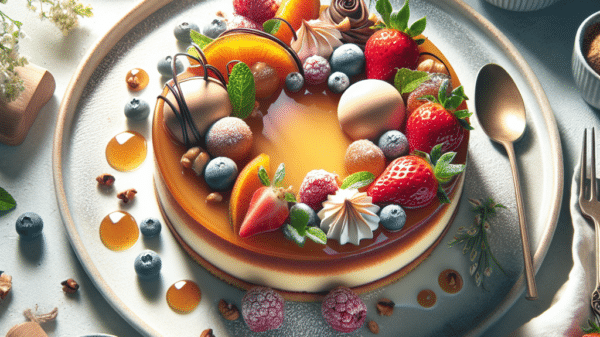
- Seasonal fruits (e.g., pears, apples, or cherries)
- Olive oil for drizzling
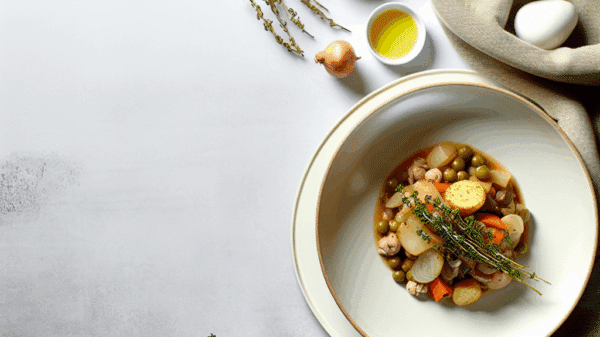
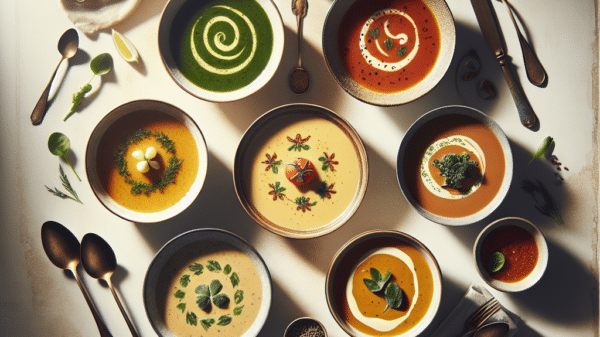
Typical French ingredients like crème fraîche and fragrant herbs play a crucial role in the classic dishes that pair beautifully with French white wines.
Step-by-Step Instructions
- Select your wine: Choose a French white wine that complements your dish. For seafood, a Sancerre or Muscadet works well. For creamy dishes, try a Burgundy Chardonnay.
- Chill the wine: Place the wine in the refrigerator for at least 2 hours before serving. Ideal serving temperatures are 7–10°C (45–50°F) for lighter wines and up to 13°C (55°F) for fuller-bodied wines.
- Prepare the dish: Cook your classic French dish, ensuring flavors are robust yet balanced. For example, when making Coquilles Saint-Jacques, use butter and cream for richness.
- Set the table: Use wine glasses and plates that allow for easy passage of flavors. Rinse the glasses to ensure clarity.
- Pour the wine: Serve in tulip-shaped glasses to enhance aromatics. Aim for one-third full.
- Enjoy the pairing: Take a sip of wine, followed by a bite of food, allowing the flavors to interlace.
Common mistakes to avoid: Avoid serving white wine too warm; over-chilling can mute flavors. Also, ensure the wine does not overpower the dish but enhances its flavors.
Variations & Substitutions
- Non-alcoholic options: Try a sparkling grape juice or herbal iced teas infused with lemon or mint.
- Dietary swaps: Use almond or oat-based cream in pasta dishes for dairy-free options.
- Regional twists: Incorporate local herbs or spices according to the dish you’re making, such as adding Provençal herbs into your Ratatouille.
- Modern variations: Consider serving a spritzer of white wine mixed with soda water and a splash of fruit juice on a sunny day.
Make Ahead, Storage & Reheating
You can prepare some elements ahead of time. For example, make sauces like béchamel for your dish the day before. Cheese can also be arranged ahead of time. Store any opened wine in the fridge and consume within 3-5 days.
For warming, place the wine bottle in warm water for a few minutes if served too cold. Do not reheat the wine; only warm light-bodied dishes and store leftovers in airtight containers.
Nutrition (Approx.)
Calories and macronutrients can vary by specific pairing, but a typical serving of white wine offers approximately 120 calories, with negligible fat, moderate carbohydrates (3-4g), and protein (0.1g). For non-alcoholic versions, expect similar calorie counts depending on the ingredients used.
Serving Suggestions
Use elegant glassware, such as thin-stemmed wine glasses, for serving. Garnish with fresh herbs or citrus peels and pair with light snacks like baguette slices, olives, or a cheese board featuring Brie, honey, and seasonal fruit. Ideal occasions include festive gatherings, summer picnics, or a cozy dinner.
FAQs
- What is the ideal serving temperature for white wine?
- The ideal temperature is typically between 7–13°C (45–55°F), depending on the wine.
- How should I store leftover wine?
- Store leftover wine in the fridge with a cork and consume within 3-5 days.
- What are good white wines for seafood dishes?
- Sancerre, Muscadet, or a dry Riesling pairs beautifully with seafood.
- Can I use other types of wine with classic French dishes?
- Yes, but it’s best to consider the flavors of the dishes being served alongside them.
Conclusion
Pairing French white wine with classic French dishes opens a world of flavor harmonies that enhance the dining experience. Remember to choose the right wine, serve at correct temperatures, and complement your meal with exciting flavors. Don’t hesitate to experiment with variations or explore other classic French drinks.
We encourage you to share your pairing ideas or experiences! What’s your favorite French dish to enjoy with a glass of wine?