
Overview
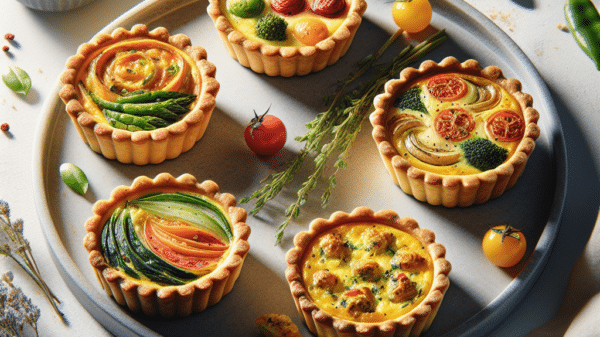
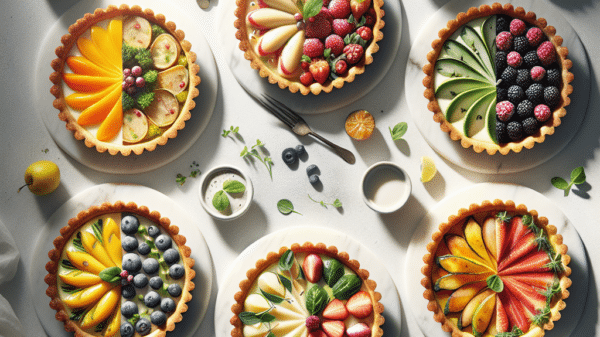
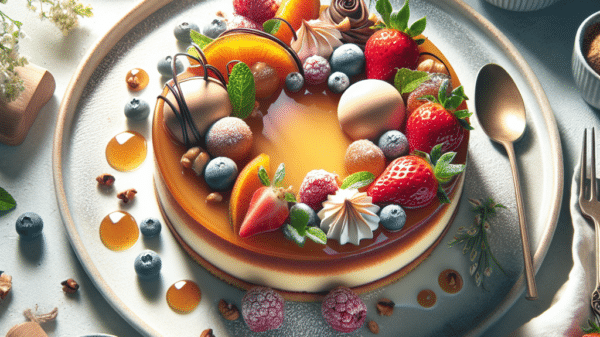
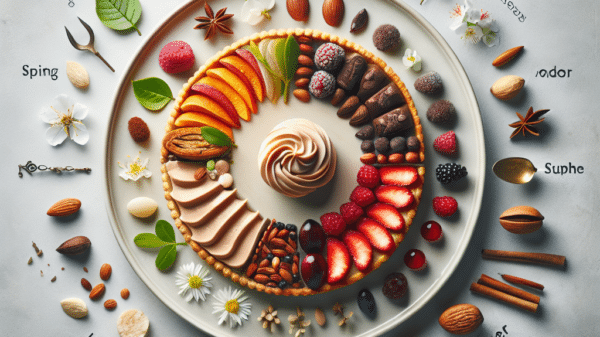
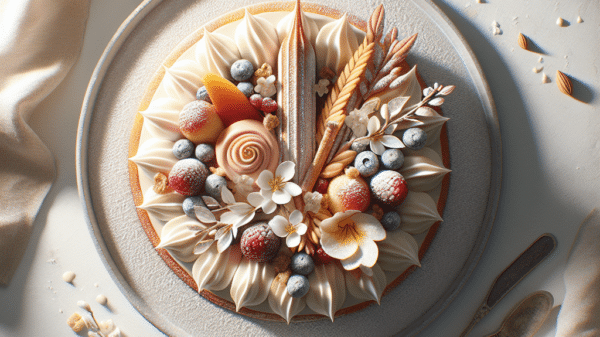
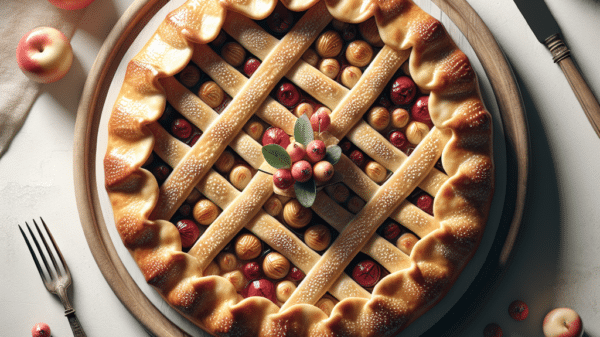
Mastering traditional French pastries is an exquisite journey for anyone passionate about baking, whether you are a novice or a seasoned chef. This guide will help you delve into the intricate world of French desserts. Expect to spend approximately 1-2 hours preparing and baking, with a difficulty level that ranges from moderate to advanced, depending on the pastry type. Traditional French pastries are known for their delicate textures and rich flavors, often linked to regions like Paris, Brittany, and Provence. Their versatile nature makes them suitable for a variety of occasions—from a cozy weeknight dinner to festive gatherings like holidays and weddings.
Ingredients
- 250 g (9 oz) all-purpose flour
- 125 g (4.4 oz) unsalted butter, cold and cubed
- 1/2 teaspoon salt
- 70 g (2.5 oz) sugar
- 4 large eggs
- 200 ml (7 fl oz) heavy cream
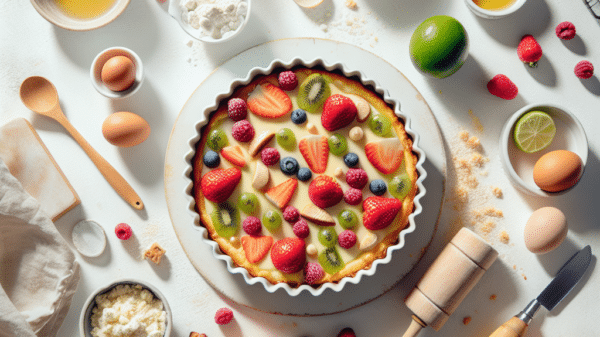
- 500 g (1.1 lb) fruit filling (cherries, almonds, or apples)
- 1 teaspoon vanilla extract
- Optional: powdered sugar for dusting
This recipe highlights traditional French ingredients like unsalted butter and vanilla extract. The base of this pastry can be a fruit filling, appealing to both those who love fruit desserts and those looking for a touch of decadence.
Step-by-Step Instructions
- Make the Dough: In a mixing bowl, combine the flour, salt, and sugar. Add the cubed butter, and using your fingertips, rub the butter into the flour until you reach a breadcrumb-like consistency (about 5 minutes).
- Add Eggs: Create a well in the center of the mixture and add 2 eggs, mixing until fully combined. If necessary, add cold water 1 tablespoon at a time until the dough comes together (about 10 minutes).
- Chill the Dough: Shape the dough into a disk, wrap it in plastic wrap, and chill it in the refrigerator for at least 30 minutes.
- Preheat the Oven: Preheat your oven to 180°C (350°F).
- Prepare the Pastry Shell: Roll out the dough on a floured surface to about 3 mm thickness. Place it into a tart pan, trimming any excess. Using a fork, poke holes in the base to prevent bubbling.
- Blind Bake: Cover with parchment paper and fill with pie weights or dried beans. Bake for 15 minutes, then remove the weights and bake for an additional 10 minutes or until lightly golden.
- Make the Filling: In a bowl, whisk together the remaining eggs, heavy cream, and vanilla extract. Pour this mixture over the prepared fruit filling with care.
- Bake Again: Return the tart to the oven and bake until the filling is set and the top is lightly golden, about 30-35 minutes.
- Cool and Serve: Allow the tart to cool slightly before slicing. Dust with powdered sugar before serving.
Variations & Substitutions
For a vegan version, substitute eggs with flaxseed meal (1 tablespoon of flaxseed meal with 2.5 tablespoons of water for each egg) and use coconut oil instead of butter. If gluten-free is necessary, almond flour or a gluten-free flour blend can be used in place of all-purpose flour.
For a regional twist, try adding local herbs or spices. For example, substituting the fruit filling with lavender-infused honey or fresh seasonal berries can lead to delightful flavor variations. Another adaptation could be using a puff pastry base for a lighter, flaky texture.
Make Ahead, Storage & Reheating
This French pastry can be partially made ahead by preparing the dough and letting it chill overnight. The filling can also be prepared and refrigerated a day in advance.
Once baked, store leftovers in the refrigerator for up to 3 days in an airtight container. For freezing, wrap tightly in plastic wrap and aluminum foil; it can last for up to 2 months. To reheat, place the pastry in a preheated oven at 150°C (300°F) for about 10-15 minutes.
Nutrition (Approx.)
Calories per serving (1 slice of tart) is approximately 350 kcal, with 20g fat, 31g carbohydrates, and 7g protein. If made with vegan substitutions, calories may decrease slightly, but it’s important to check based on specific ingredients used.
Serving Suggestions
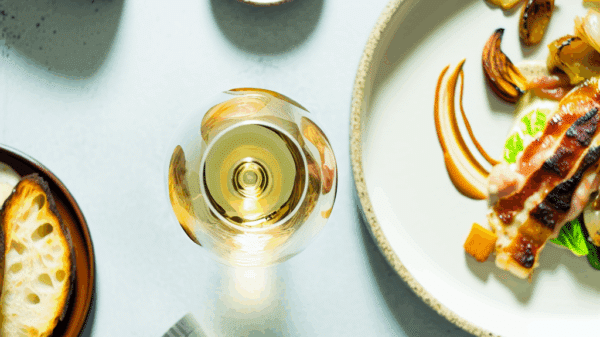
This pastry pairs beautifully with a side of crème fraîche and a glass of sweet white wine, like Sauternes. For a more casual affair, serve it with a scoop of vanilla ice cream or a dollop of whipped cream.
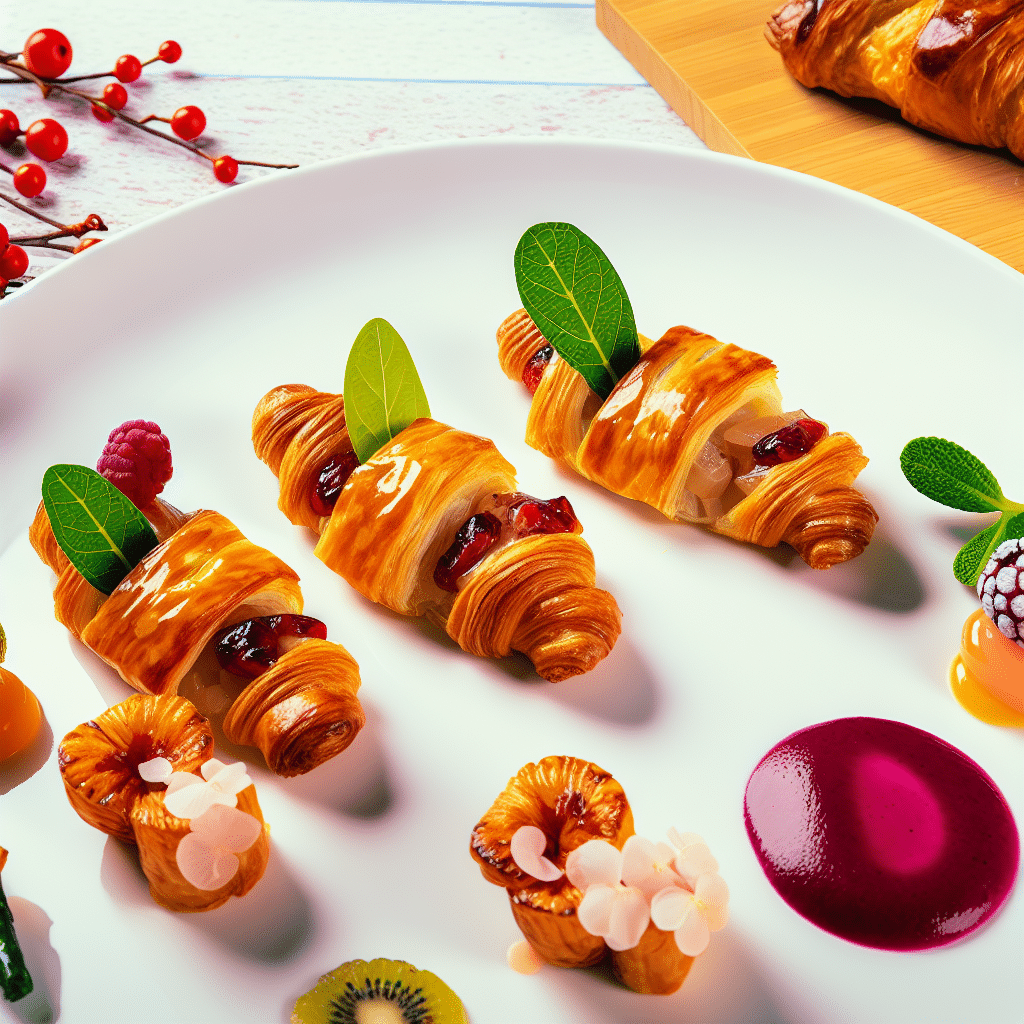
For families, consider plating with berries and mint for a kid-friendly, colorful presentation. Additionally, a sprinkle of zest from a lemon can lend a refreshing flavor contrast, making the dish pop visually and tastefully.
FAQs
Q1: Can I use frozen fruit for the filling?
A1: Absolutely! Just ensure to thaw and drain any excess moisture before adding to the pastry.
Q2: How do I know when the pastry is done baking?
A2: The filling should be set and not jiggly in the center, along with a light golden color on top.
Q3: Can I make this pastry gluten-free?
A3: Yes, simply use almond flour or a gluten-free flour blend. Ensure it’s a one-to-one substitute for best results.
Q4: What can I use if I don’t have heavy cream?
A4: Full-fat coconut milk makes a great alternative for a dairy-free version while still providing richness.
Q5: How can I fix a soggy crust?
A5: Ensure to blind bake the crust properly, and you may also brush a thin layer of egg wash before adding the filling to create a barrier.
Conclusion
Mastering traditional French pastries may seem daunting, but with patience and practice, you can create beautifully delectable treats worthy of any occasion. Remember to focus on the textures and flavors, which are central to French baking. Don’t shy away from experimenting with variations or using seasonal ingredients. We encourage you to share your baking results and favorite twists on these pastries—you’d be amazed at how creativity, combined with classic techniques, can yield delicious results!