
Overview
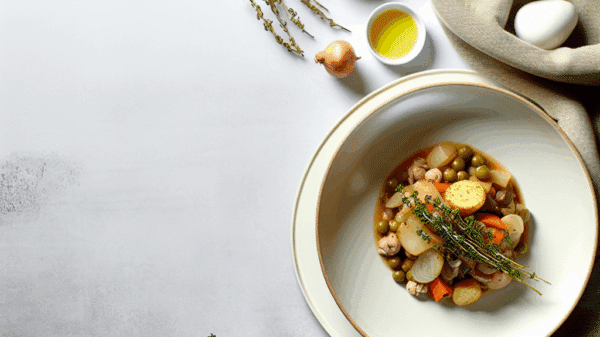
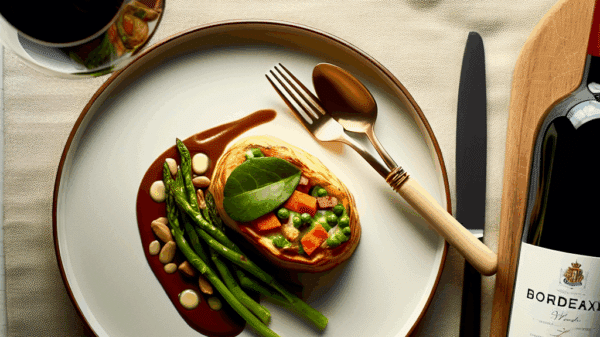
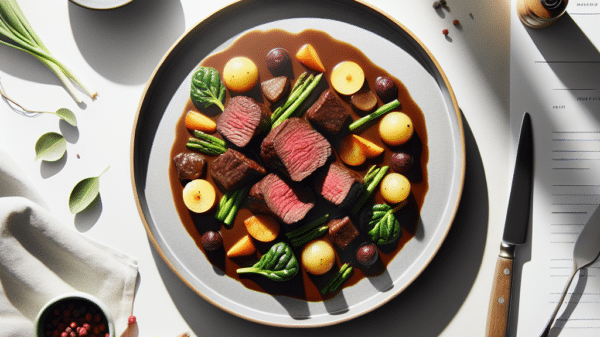
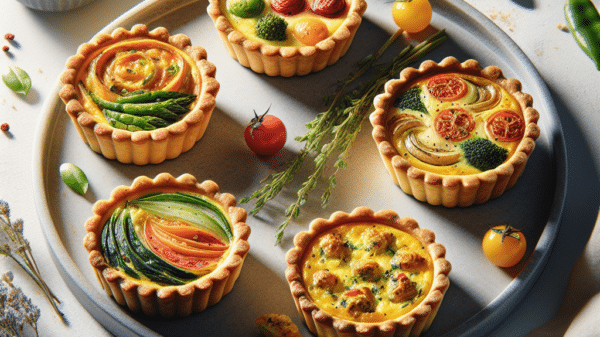
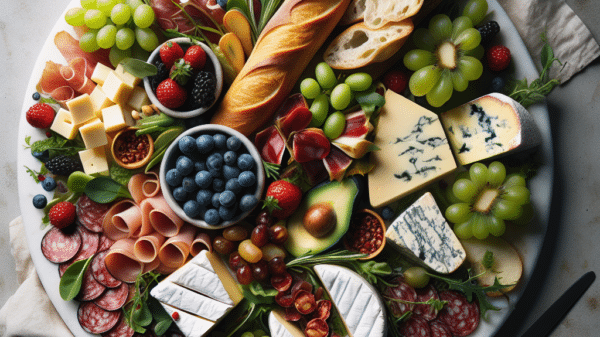
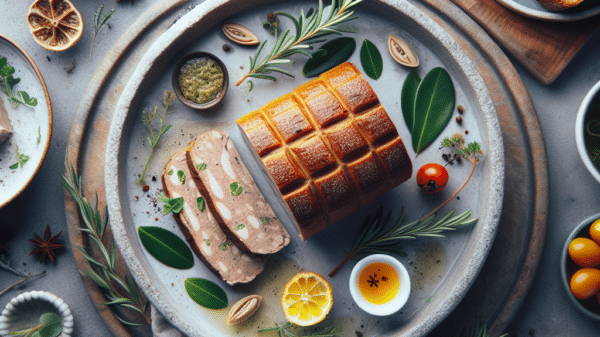
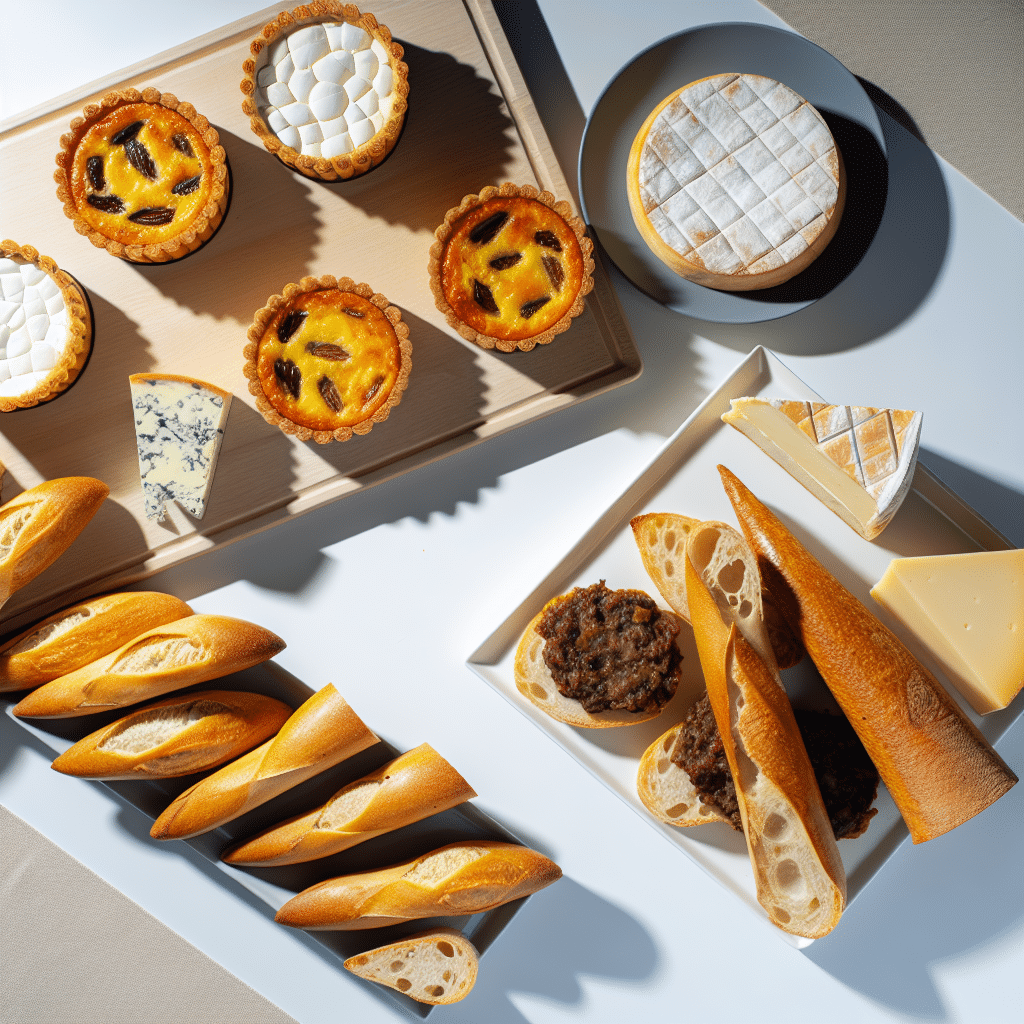
Mastering traditional French hors d’oeuvres, or “appetizers,” is essential for anyone looking to elevate their culinary skills and impress their guests. Typically enjoyed during festive gatherings or elegant dinner parties, these small plates showcase the best of French cuisine, reflecting the seasonal ingredients and regional specialties of France. The preparation and cooking time for these hors d’oeuvres usually spans 30 to 90 minutes, depending on the recipe’s complexity. While French hors d’oeuvres can vary in difficulty, many are accessible for both novice and experienced cooks. These dishes often originate from various French regions, each contributing unique flavors and techniques.
The flavor profile of traditional French appetizers ranges from savory to delicate, often incorporating fresh herbs, quality cheeses, and seasonal vegetables. They suit various occasions, whether a casual weeknight dinner or a lavish holiday feast.
Ingredients
- 250 g (8.8 oz) unsalted French butter, softened
- 300 g (10.6 oz) all-purpose flour
- 200 g (7 oz) Gruyère cheese, grated
- 50 g (1.8 oz) fresh chives, finely chopped
- 3 large eggs
- Salt, to taste
- Freshly cracked black pepper, to taste
- 75 g (2.6 oz) smoked salmon, thinly sliced (optional for a protein-rich option)
- 100 g (3.5 oz) crème fraîche (optional)
Step-by-Step Instructions
- Prepare the Dough: In a large mixing bowl, blend the softened butter, flour, salt, and pepper until crumbly. Aim for a texture akin to small pebbles. This process should take about 5 minutes.
- Add the Egg: Crack in the eggs and mix until the dough comes together. Knead it gently on a floured surface for about 2 minutes until smooth. Avoid over-kneading as this can lead to a tougher texture.
- Incorporate Cheese and Herbs: Fold in the grated Gruyère cheese and chopped chives into the dough. Ensure they are evenly distributed but do not overwork the mixture. This should take about 2 minutes.
- Chill the Dough: Wrap the dough in plastic and refrigerate for at least 30 minutes. Chilling helps enhance the flavors and makes rolling easier.
- Preheat and Roll Out: Preheat your oven to 180°C (350°F). On a floured surface, roll out the dough to about 5 mm (1/4 inch) thick. Ensure it’s even for consistent cooking.
- Cut and Bake: Cut the dough into bite-sized squares and place on a lined baking sheet. Bake for 15-20 minutes until golden brown. Monitor closely to avoid burning.
- Serve: Allow them to cool slightly before serving with crème fraîche and topping with smoked salmon, if desired. The aroma of the baked hors d’oeuvres should entice your guests.
Variations & Substitutions
For those with dietary restrictions, consider:
- Vegan Option: Substitute butter with vegan margarine and replace eggs with flaxseed meal (1 tablespoon flaxseed mixed with 3 tablespoons water per egg).
- Gluten-Free: Use a gluten-free flour blend instead of all-purpose. Ensure all other ingredients are also gluten-free.
- Cheese Varieties: Swap Gruyère with other cheeses like goat cheese or comté for different flavor profiles.
- Healthier Twist: Use whole grain flour and reduce butter for a lighter version.
Make Ahead, Storage & Reheating
These hors d’oeuvres can be prepared ahead of time. The dough can be made and chilled in advance, allowing you to easily roll and bake just before serving. Place unbaked squares in the freezer for up to a month. For baked hors d’oeuvres, store in an airtight container in the fridge for up to three days.
For reheating, place them in a preheated oven at 150°C (300°F) for about 10 minutes, ensuring they remain tender without drying out.
Nutrition (Approx.)
Each serving of these French hors d’oeuvres is estimated to have:
- Calories: 150 kcal
- Protein: 5 g
- Carbohydrates: 15 g
- Fat: 8 g
Note: These values may vary based on ingredient substitutions and portion sizes.
Serving Suggestions
Pair these hors d’oeuvres with classic French sides such as:
- Fresh arugula salad dressed with lemon vinaigrette
- Roasted seasonal vegetables drizzled in olive oil
- Polenta topped with herbs and cheese
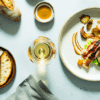
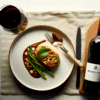
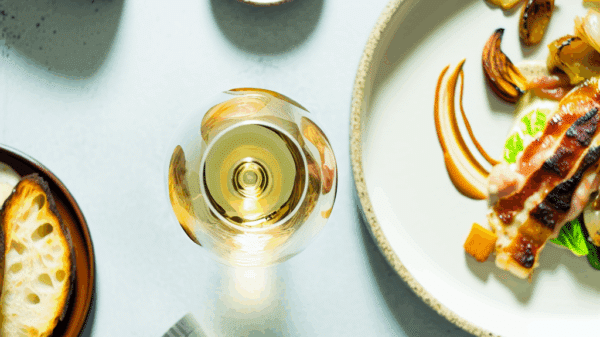
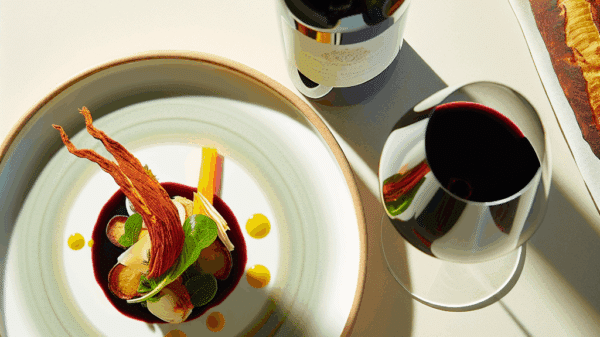
Wine pairings could include a light white, like a Sauvignon Blanc, or a bubbly Champagne for celebrations. For kid-friendly versions, consider smaller cuts and simpler toppings. Garnish with additional fresh herbs or a light drizzle of olive oil for an appealing presentation.
FAQs
1. How can I prevent the hors d’oeuvres from becoming too dry?
Keep a close watch on the baking time, and remove them as soon as they turn golden brown.
2. Can I substitute the Gruyère cheese?
Absolutely! You can use any cheese you prefer, such as cheddar or goat cheese.
3. How long can I freeze the dough?
The dough can be frozen for up to a month; just remember to wrap it well to prevent freezer burn.
4. What are some traditional French flavors to add to the mix?
Consider adding herbs like tarragon or thyme for depth of flavor.
5. Can I make these hors d’oeuvres gluten-free?
Yes, you can substitute all-purpose flour with a gluten-free flour blend.
Conclusion
Mastering traditional French hors d’oeuvres is not only a rewarding culinary endeavor but also a ticket to creating memorable gatherings. Remember to pay attention to cooking times and ingredient quality to achieve authentic flavors. Explore variations, experiment with substitutions, and dive into the rich landscape of French appetizers. We encourage you to share your results, adaptations, or favorite versions of these recipes in the comments below. Bon appétit!