

Overview
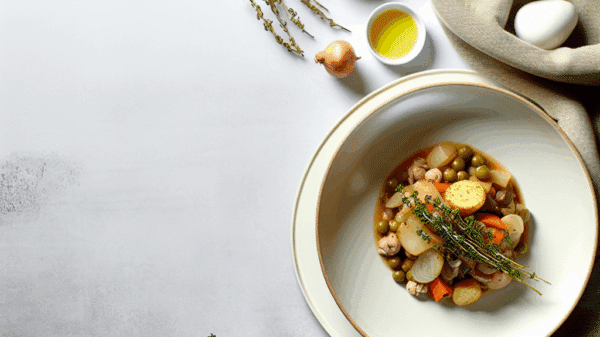
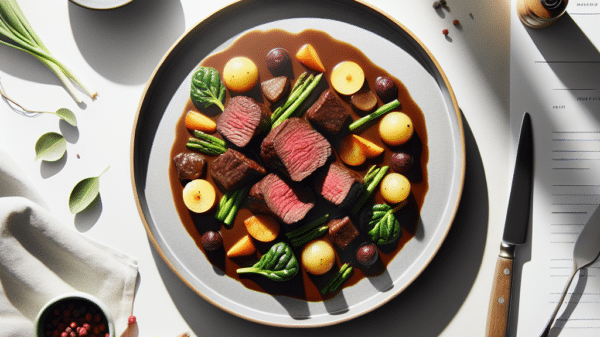
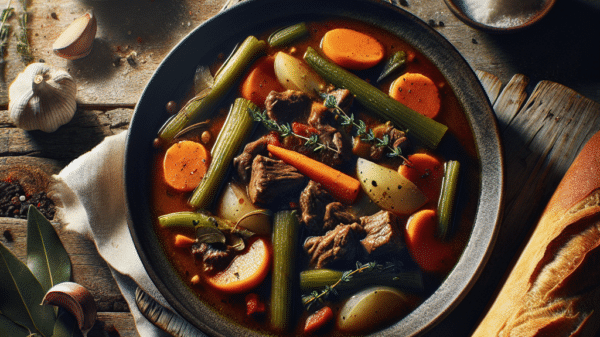
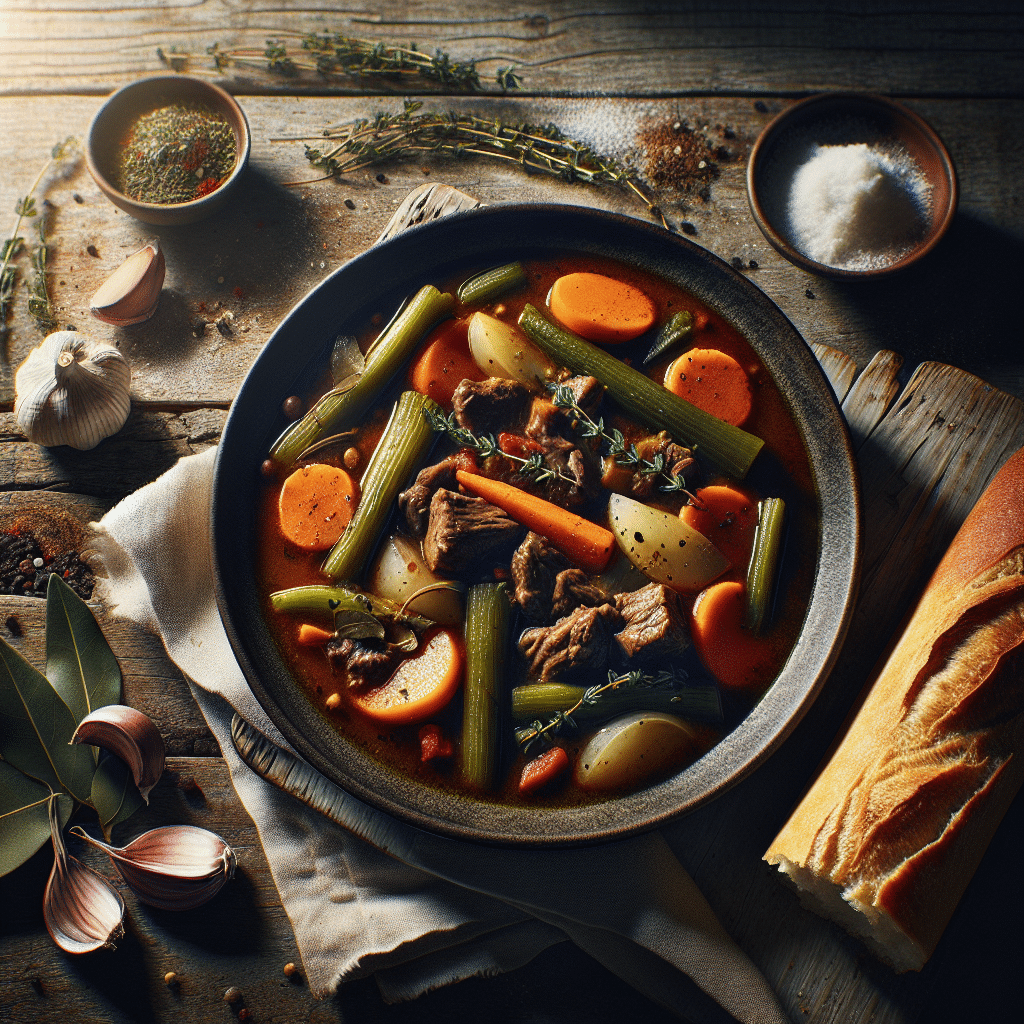
French stews are a cornerstone of traditional French cuisine, offering rich, hearty flavors that reflect the seasonal bounty of the countryside. These dishes are designed for those who appreciate the depth of flavor that comes with slow-cooked meals, whether it be a weeknight dinner, a family gathering, or a festive celebration. Preparing a French stew typically takes around 2 to 3 hours, with hands-on time around 30 minutes, depending on the type and complexity. The difficulty level can range from moderate to advanced, but with practice, anyone can master the art of French stewing.
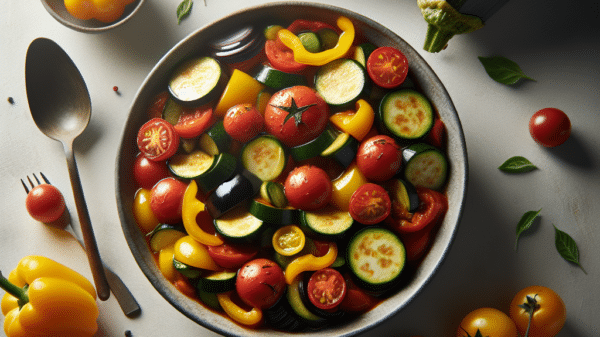
Originating from various regions in France, such as Provence, Brittany, and Burgundy, these stews are characterized by pronounced flavors, often showcasing the natural tastes of the ingredients. The appealing aroma of herbs like thyme, rosemary, and bay leaf wafts through the air, making them ideal for cozy meals that invite conversation and warmth.
Ingredients
- 1 kg (2.2 lbs) beef chuck, cut into 5 cm (2-inch) cubes
- 60 ml (1/4 cup) olive oil
- 2 large onions, chopped
- 3 cloves garlic, minced
- 4 carrots, sliced into rounds
- 3 medium potatoes, diced
- 2 celery stalks, chopped
- 1 liter (4 cups) beef stock
- 250 ml (1 cup) red wine (preferably Burgundy)
- 1 tablespoon tomato paste
- 2 bay leaves
- 15 g (1 tablespoon) fresh thyme
- Salt and freshly ground black pepper to taste
- Fresh parsley for garnishing
Step-by-Step Instructions
- Prepare the Ingredients: Gather and chop all vegetables and meat. This makes the cooking process smoother. Allow 15–20 minutes for this step.
- Brown the Meat: Heat olive oil in a large Dutch oven over medium-high heat. Add beef cubes in batches to avoid overcrowding. Sear until browned on all sides (about 5–7 minutes per batch). Remove and set aside.
- Sauté Aromatics: In the same pot, add onions, garlic, and a pinch of salt. Sauté for 5 minutes until translucent and aromatic, scraping up any browned bits from the bottom.
- Add Vegetables: Stir in carrots, potatoes, and celery. Cook for another 5 minutes, mixing occasionally.
- Deglaze: Pour in red wine, scraping the pot’s bottom. Let it boil for about 3 minutes, reducing slightly.
- Combine Everything: Return the beef to the pot, add beef stock, tomato paste, bay leaves, thyme, salt, and pepper. Stir to mix well.
- Braise: Bring the mixture to a boil, then reduce heat to low. Cover and simmer for 1.5 to 2 hours, or until the meat is fork-tender. Adjust seasoning to taste towards the end.
- Serve: Remove from heat, let it sit for a few minutes, then remove bay leaves. Ladle into bowls, and garnish with parsley before serving.
Common Mistakes to Avoid: Overcooking the meat can turn it mushy, while undercooking will leave it tough. Always taste and adjust the seasoning slowly to prevent overseasoning.
Variations & Substitutions
For those with dietary restrictions or preferences, here are some variations:
- Vegan Option: Substitute beef with seitan or mushrooms and use vegetable stock instead of beef stock.
- Gluten-Free: Ensure wine and stock are gluten-free, and omit any flour used for thickening.
- Regional Twist: Try using local herbs such as Herbes de Provence or adding capers for a Mediterranean flair.
- Lighter Adaptation: Use chicken breast or lean pork tenderloin as the protein for a healthier version.
Make Ahead, Storage & Reheating
French stews can be made a day in advance, allowing the flavors to deepen overnight. Store it in an airtight container in the fridge for up to 3 days or freeze for 3 months. To reheat, place the stew in a pot over medium heat, adding a splash of stock or water to maintain moisture. Stir occasionally until heated through, ensuring that the meat remains tender and the sauce flavorful.
Nutrition (Approx.)
Per serving (based on 6 servings):
- Calories: 400
- Protein: 30g
- Carbohydrates: 35g
- Fat: 15g
These values may vary slightly based on substitutions and portion sizes.
Serving Suggestions
To elevate your French stew experience, consider serving it with:
- Classic French Sides: Fresh baguette or creamy polenta can complement the stew’s rich flavors.
- Salads: A simple greens salad with vinaigrette can provide a refreshing contrast.
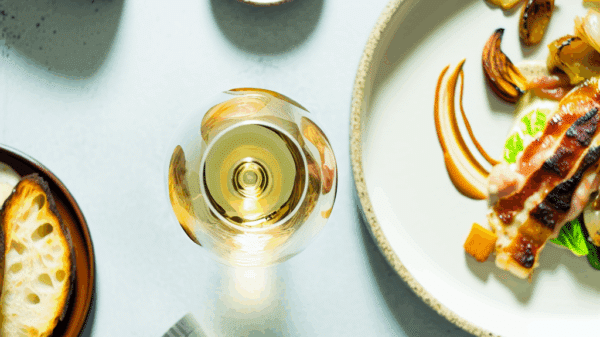
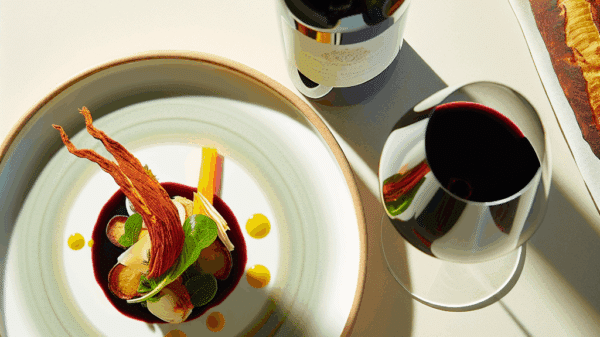
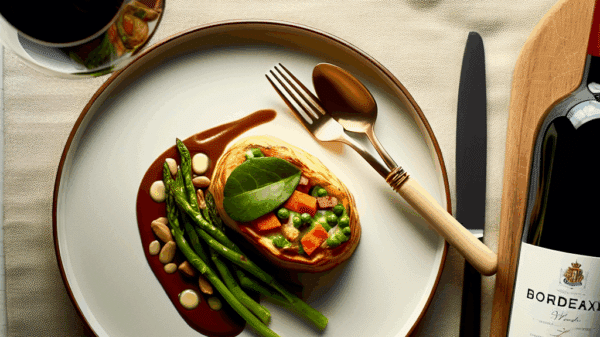
- Wine Pairing: A glass of red Burgundy or a hearty Chianti would harmonize beautifully with the dish.
Kid-Friendly Ideas: Serve in a shallow bowl to prevent spills, and let kids add their garnishes. You can also blend the stew into a smoother texture for picky eaters.
FAQs
- Can I use chicken instead of beef?
- Yes, chicken thighs are a great alternative, although cooking times will be shorter.
- How can I thicken my stew?
- Simmering uncovered for longer allows the sauce to reduce naturally. For a quick fix, mix a tablespoon of cornstarch with water and stir it in.
- How long does a French stew last in the fridge?
- It can be stored in the fridge for up to 3 days and frozen for up to 3 months.
- What can I use if I don’t have red wine?
- You can substitute with additional beef broth, but the flavor will be different.
- Is it necessary to brown the meat?
- Browning adds depth and enhances the stew’s flavor, but you can skip it if you’re short on time.
Conclusion
Mastering French stews involves understanding the balance of flavors and the techniques that bring them to life. By using authentic ingredients and allowing the dish to develop patiently, you can recreate the comforting essence of French home cooking in your kitchen. Don’t hesitate to experiment with variations that suit your dietary needs or flavor preferences. We encourage you to share your culinary adventures, favorite versions, or any unique twists you’ve discovered along the way. Happy cooking!