
Overview
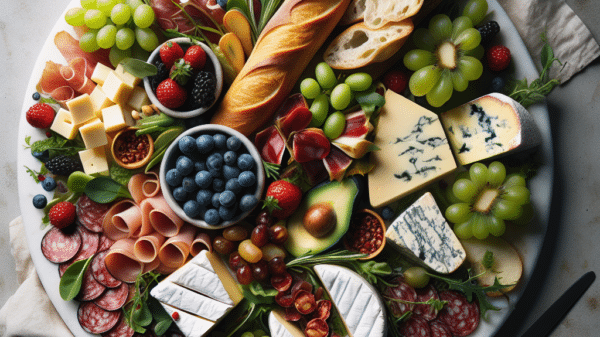
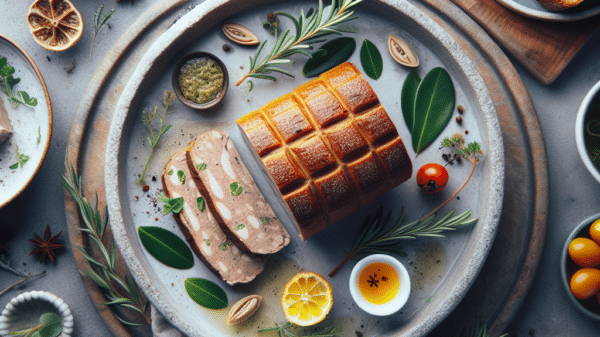
Mastering French Bistro Classics brings the heart of France into your home with rich, flavorful dishes that celebrate seasonal ingredients. This guide is perfect for both novice cooks and seasoned chefs looking to refine their skills in classic French cuisine. The estimated prep time for these recipes ranges from 30 to 60 minutes, with cook times that can vary from 45 minutes to several hours, depending on the specific dish. The difficulty level varies, but most are categorized as beginner to intermediate, ensuring accessibility for all.
The flavor profiles of French bistro classics can be described as rich, savory, and aromatic, often with a balance of freshness from herbs and acidity from wines or vinegars. These dishes are suitable for various occasions, including weeknight dinners, family meals, or festive gatherings, making them versatile enough for any dining scenario.
Ingredients
- 500g chicken thighs (1 lb, boneless)
(Substitution: Tofu for vegetarian) - 250ml chicken broth (1 cup)
(Substitution: Vegetable broth for vegetarian) - 200g white mushrooms (7 oz, sliced)
- 200g pearl onions (7 oz; can substitute with larger onions, chopped)
- 2 cloves garlic, finely chopped
- 200ml dry white wine (¾ cup)
(Substitution: Chicken broth or non-alcoholic white wine) - 2 tablespoons Dijon mustard (30g)
- 1 tablespoon olive oil (15ml)
- 2 sprigs fresh thyme
- Salt and pepper to taste
- Fresh parsley for garnish
Step-by-Step Instructions
- In a large skillet, heat the olive oil over medium-high heat. Season the chicken thighs with salt and pepper. Sear the chicken for approximately 5-7 minutes on each side until golden brown.
- Remove the chicken from the skillet and set it aside. In the same skillet, add the pearl onions and mushrooms. Cook for about 5 minutes until the onions start to soften.
- Add the garlic and cook for an additional minute until fragrant.
- Pour in the white wine to deglaze the pan, scraping any brown bits off the bottom. Allow it to simmer for about 3-4 minutes until it reduces slightly.
- Stir in the chicken broth and Dijon mustard, then return the chicken to the skillet. Add the sprigs of thyme.
- Cover and let simmer for approximately 20-25 minutes or until the chicken is cooked through and tender, reaching an internal temperature of 75°C (165°F).
- Once done, remove the chicken and keep it warm while you reduce the sauce for another 5-7 minutes, allowing it to thicken slightly.
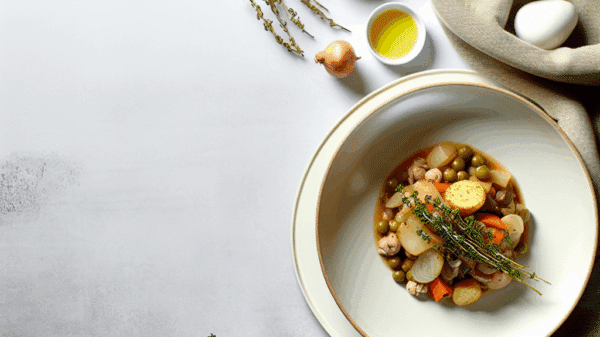
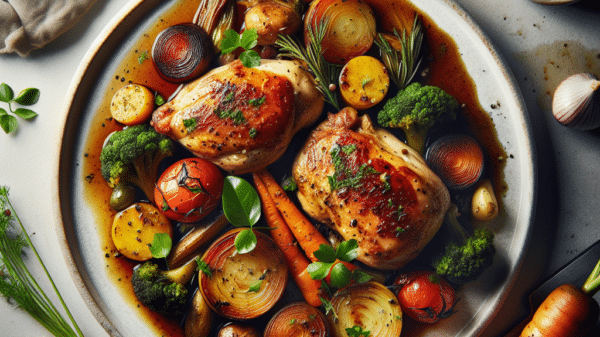
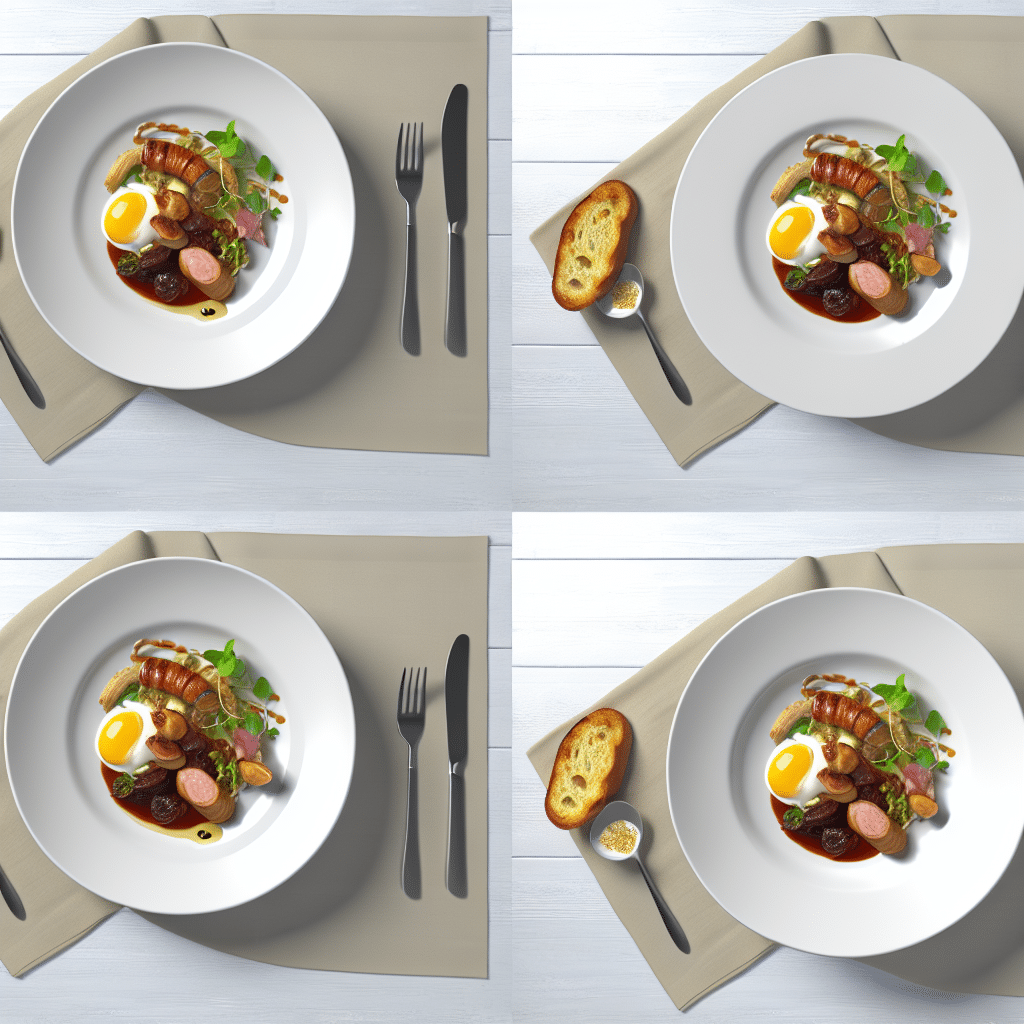
- Plate the chicken, spoon the sauce and vegetables over it, and garnish with fresh parsley before serving. Look for a glossy finish on the sauce and an aromatic, herb-infused aroma.
Common Mistakes to Avoid: Ensure not to overcook the chicken, which can lead to dryness. Avoid stirring too much once the chicken is added to retain its moisture.
Variations & Substitutions
For a vegan twist, replace chicken thighs with firm tofu and cook with the same methods. For gluten-free variations, ensure the Dijon mustard is gluten-free and use gluten-free broth. To introduce regional variations, add olives for a Mediterranean flair or capers for a tart punch. Modern adaptations may involve lighter sauces such as replacing the cream with a purée of cauliflower for a healthier option.
Make Ahead, Storage & Reheating
This French classic can be prepped in advance; marinate the chicken in the herbs and sauces up to 24 hours ahead of cooking. The dish can be stored in the fridge for up to 3 days and frozen for up to 2 months. When reheating, do so gently in a skillet over low heat to maintain the chicken’s tenderness while avoiding the sauce from curdling.
Nutrition (Approx.)
Calories: 410 kcal per serving (based on a 4-serving recipe).
Protein: 30g, Fat: 25g, Carbohydrates: 15g.
Note that variations with tofu or additional vegetables will adjust the macronutrient content accordingly.
Serving Suggestions
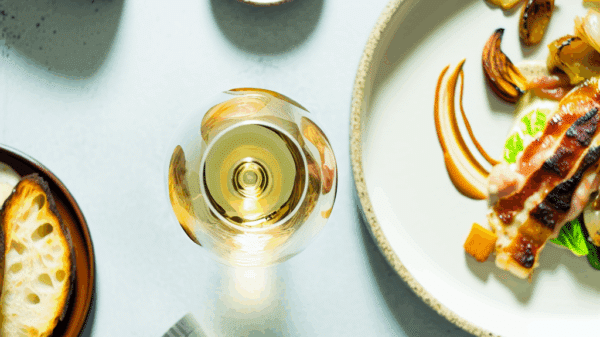
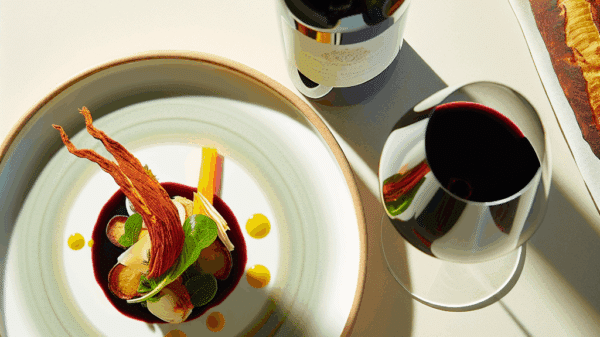
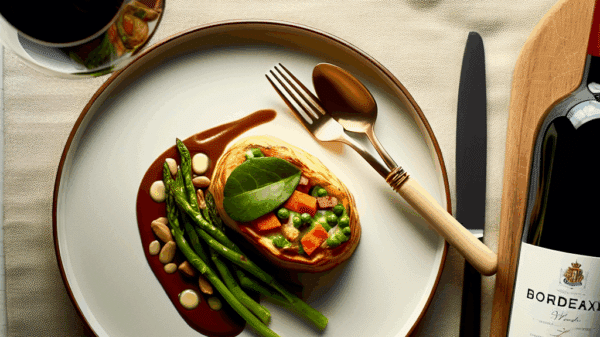
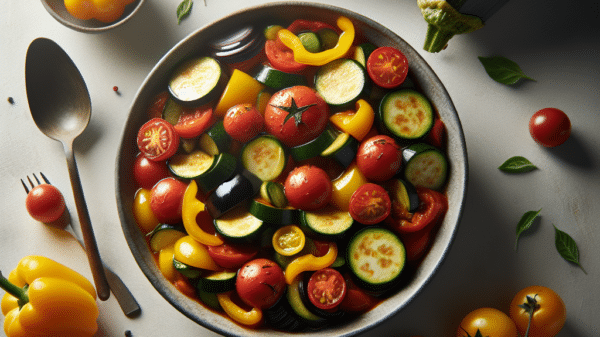
Pair the chicken with classic French sides such as garlic mashed potatoes, ratatouille, or a simple arugula salad dressed with lemon vinaigrette. For wine pairings, a crisp Sauvignon Blanc or a light red wine such as Pinot Noir complements the dish beautifully. For a family-friendly presentation, consider serving it in individual ramekins topped with a sprinkle of cheese or breadcrumbs before baking for a crusty topping.
FAQs
Q: Can I use different types of chicken parts?
A: Yes! Bone-in chicken thighs or drumsticks can be used, but adjust cooking times for doneness.
Q: What if I don’t have white wine?
A: You can either use additional broth or a splash of apple cider vinegar for acidity.
Q: How do I maintain the chicken’s moisture when reheating?
A: Reheat gently in a skillet with a little broth to keep it moist.
Q: Is there a vegetarian alternative I can use?
A: Absolutely! Firm tofu or Portobello mushrooms can serve as excellent substitutes.
Q: Can I make this dish spicy?
A: Yes! Add a pinch of red pepper flakes or a dash of hot sauce while cooking for a kick.
Conclusion
Mastering French Bistro Classics involves understanding both the techniques and ingredients that define this culinary tradition. Keep in mind the balanced flavors, fresh ingredients, and attention to detail that characterize French cooking. This guide serves as an entry point to explore more French main courses or try variations of the chicken braise. Don’t be afraid to experiment and make it your own! We invite you to share your culinary creations and favorite French recipes in the comments below.