

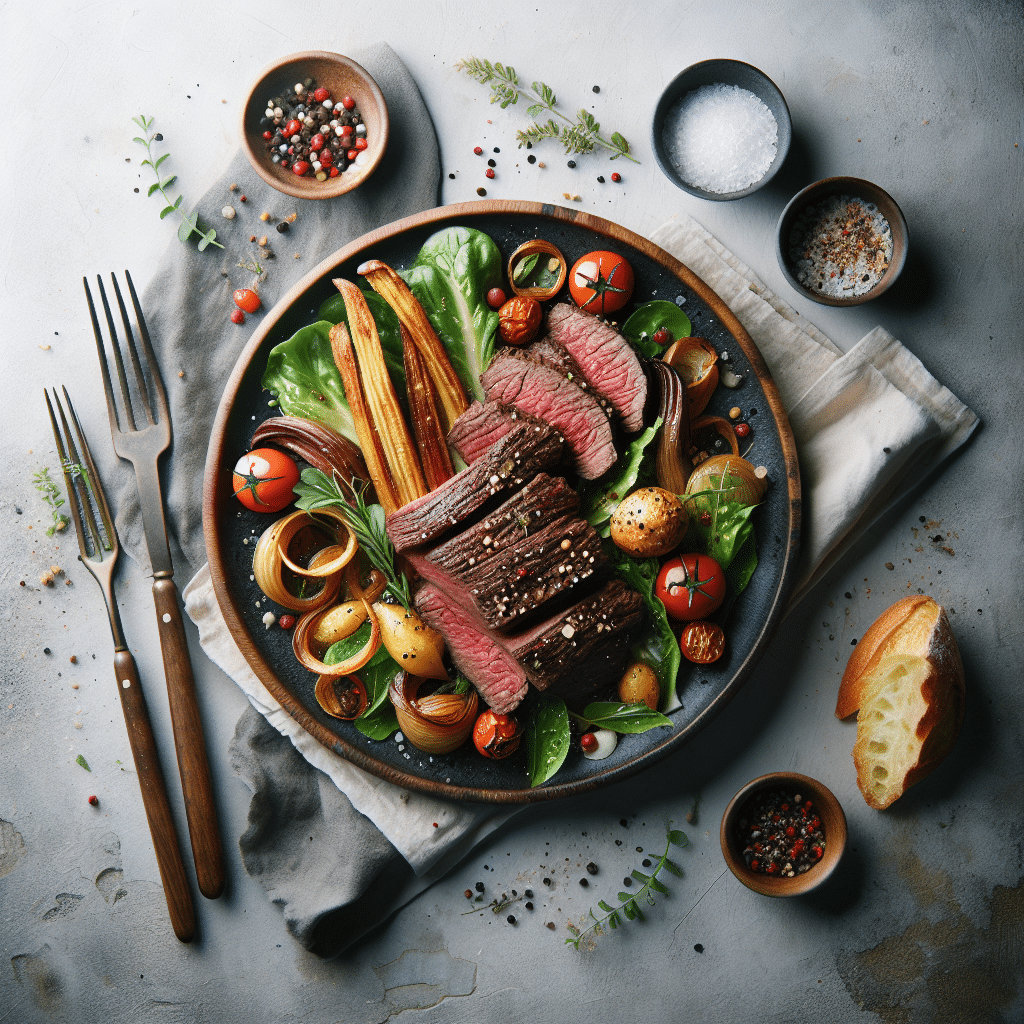
Overview
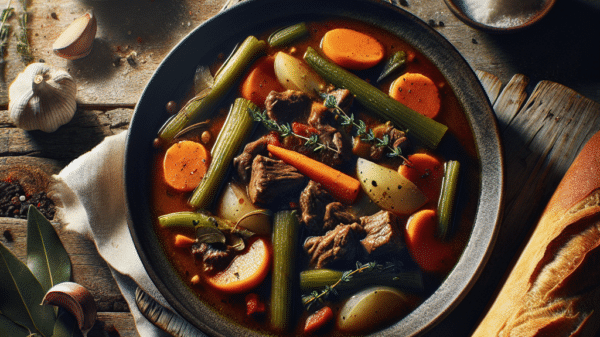
Mastering French beef dishes is an exciting culinary journey that invites you to explore rich flavors and traditional techniques. These dishes are perfect for anyone eager to dive into authentic French cuisine, whether you are an experienced cook or a novice looking to impress. With an estimated prep and cook time of approximately 2 hours, the difficulty level can range from moderate to advanced, depending on the specific dish you choose to explore. The origins of many beef dishes lie in regions like Burgundy and Provence, known for their robustness and heartiness.
French beef dishes often feature bold flavors, enhanced by slow cooking methods that yield tender, succulent meat. These dishes are ideal for festive gatherings or family meals, providing an impressively rich centerpiece that will delight your guests and loved ones alike.
Ingredients
– 1.5 kg (3.3 lbs) beef chuck roast
– 250 g (8.8 oz) carrots, chopped
– 200 g (7 oz) onions, diced
– 150 g (5.3 oz) celery, diced
– 3 cloves garlic, minced
– 750 ml (25 fl oz) red wine (preferably Burgundy)
– 500 ml (16.9 fl oz) beef stock
– 2 tbsp (30 ml) tomato paste
– 3 tbsp (45 ml) olive oil
– 2 tsp (10 g) salt
– 1 tsp (5 g) black pepper
– 2 sprigs fresh thyme
– 2 bay leaves
– Fresh parsley, for garnish
Traditional French ingredients such as high-quality red wine and fresh herbs play a pivotal role in enhancing the flavors. The main protein here is beef, a staple in many classic French recipes.
Step-by-Step Instructions
Preparation: Begin by patting the beef roast dry with paper towels. This step is crucial for achieving a good sear. Season generously with salt and black pepper.
Searing: Heat 2 tablespoons of olive oil in a large Dutch oven over medium-high heat. Once hot, add the beef roast, searing all sides until browned (approximately 4-5 minutes per side). This locks in the flavor and creates a rich base for the dish.
Sautéing Vegetables: Remove the roast and set it aside. In the same pot, add the remaining tablespoon of olive oil and sauté the onions, carrots, celery, and garlic for about 5-7 minutes, or until they begin to soften.
Deglazing: Return the beef to the pot and add the red wine, scraping up any bits stuck to the bottom. This adds depth of flavor. Allow it to simmer for 5 minutes to reduce slightly.
Simmering: Stir in the beef stock, tomato paste, thyme, and bay leaves. Bring the liquid to a gentle boil.
Braising: Cover the pot and reduce the heat to low. Allow the beef to braise for about 1.5 to 2 hours, or until fork-tender, checking occasionally. The aroma will be delightful, and the meat will become meltingly tender.
Finishing Touches: Once done, remove the meat from the pot and let it rest for at least 10 minutes. Meanwhile, strain the cooking liquid through a fine mesh sieve to separate the solids. Return the liquid to the pot and reduce it over medium heat for about 10-15 minutes, until it thickens slightly.
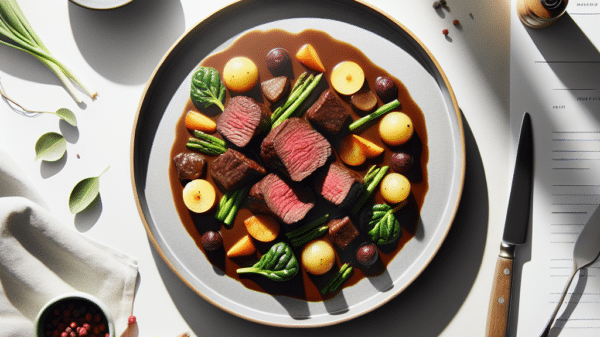
Plating: Slice the beef and serve with a generous ladle of sauce. Garnish with fresh parsley. Avoid common mistakes, such as overcooking or neglecting to taste for seasoning before serving.
Variations & Substitutions
For those with dietary restrictions, consider the following swaps:
– **Vegan**: Use plant-based protein, like jackfruit or tempeh, and substitute vegetable stock for beef stock.
– **Gluten-Free**: Ensure the red wine and stock are gluten-free.
– **Dairy-Free**: The recipe is naturally dairy-free; just check any added garnishes.
– **Low-Carb**: Serve with steamed vegetables in place of potatoes or bread.
You can also include regional twists such as using Southern French herbs like Herbes de Provence for added fragrance or even a splash of Cognac for an added depth of flavor.
Make Ahead, Storage & Reheating
Many elements of this French beef dish can be prepared in advance. Marinating the beef in the wine the night before can enhance the flavor. The entire dish can be cooked up to 3 days in advance.
For storage, cool the dish completely before transferring it to an airtight container. It can be stored in the fridge for up to 3 days or frozen for up to 3 months.
When reheating, place the beef along with the sauce in a saucepan over low heat, gently stirring until warmed through. This method helps maintain the tenderness of the meat.
Nutrition (Approx.)
– Calories: 430 per serving
– Protein: 43 g
– Carbohydrates: 11 g
– Fat: 22 g
– Fiber: 2 g
The nutritional values can vary based on the specific ingredients used and if any substitutions are made, such as vegan proteins.
Serving Suggestions
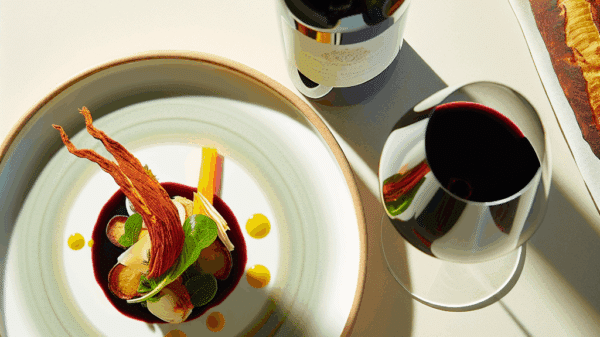
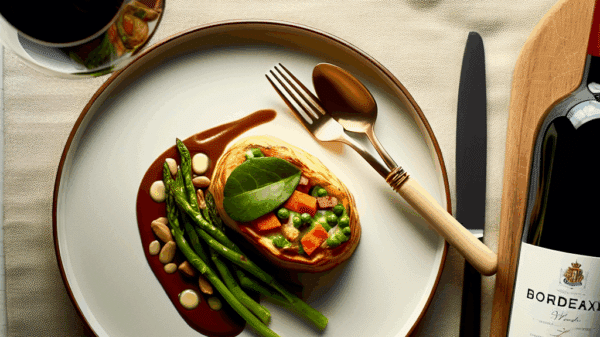
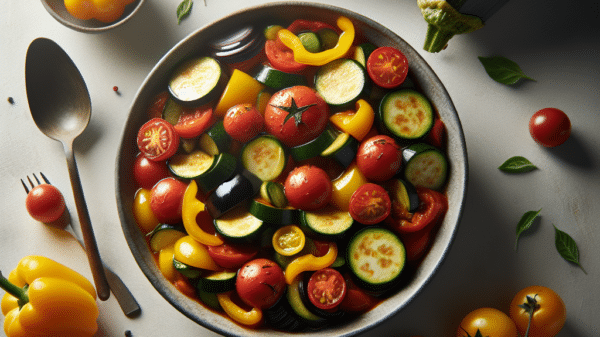
Pair your beef dish with traditional French sides like ratatouille, creamy polenta, or a crunchy baguette. A robust red wine, such as Bordeaux or a smooth Chianti, will elevate your dining experience.
For kids, consider serving the beef with homemade mashed potatoes or buttered noodles for a comforting option. Garnishing with fresh parsley or thyme can provide that essential finishing touch that adds color to your plate.
FAQs
**Q: Can I use a different cut of beef?**
A: Yes, cuts like brisket or short ribs can work well but may require slight adjustments in cooking time.
Q: How can I adjust the spice level?
A: While traditional recipes aren’t spicy, you can add a pinch of red pepper flakes for heat.
Q: Is it necessary to use red wine?
A: While it contributes to the flavor, you can substitute with additional beef stock or grape juice for a non-alcoholic version.
Q: How long can leftovers be kept?
A: Leftover beef can be stored in the fridge for up to 3 days or frozen for 3 months.
Conclusion
Mastering French beef dishes opens a world of culinary exploration and authenticity. Key tips to remember include the importance of careful seasoning and the use of high-quality ingredients. No matter which regional variations you choose to explore, the heart of French cooking lies in simplicity and flavor.
We encourage you to try out variations or delve into other classic French main courses. Share your results with us, and don’t forget to let us know your favorite twists on these timeless recipes! Enjoy your culinary journey through the flavors of France!