
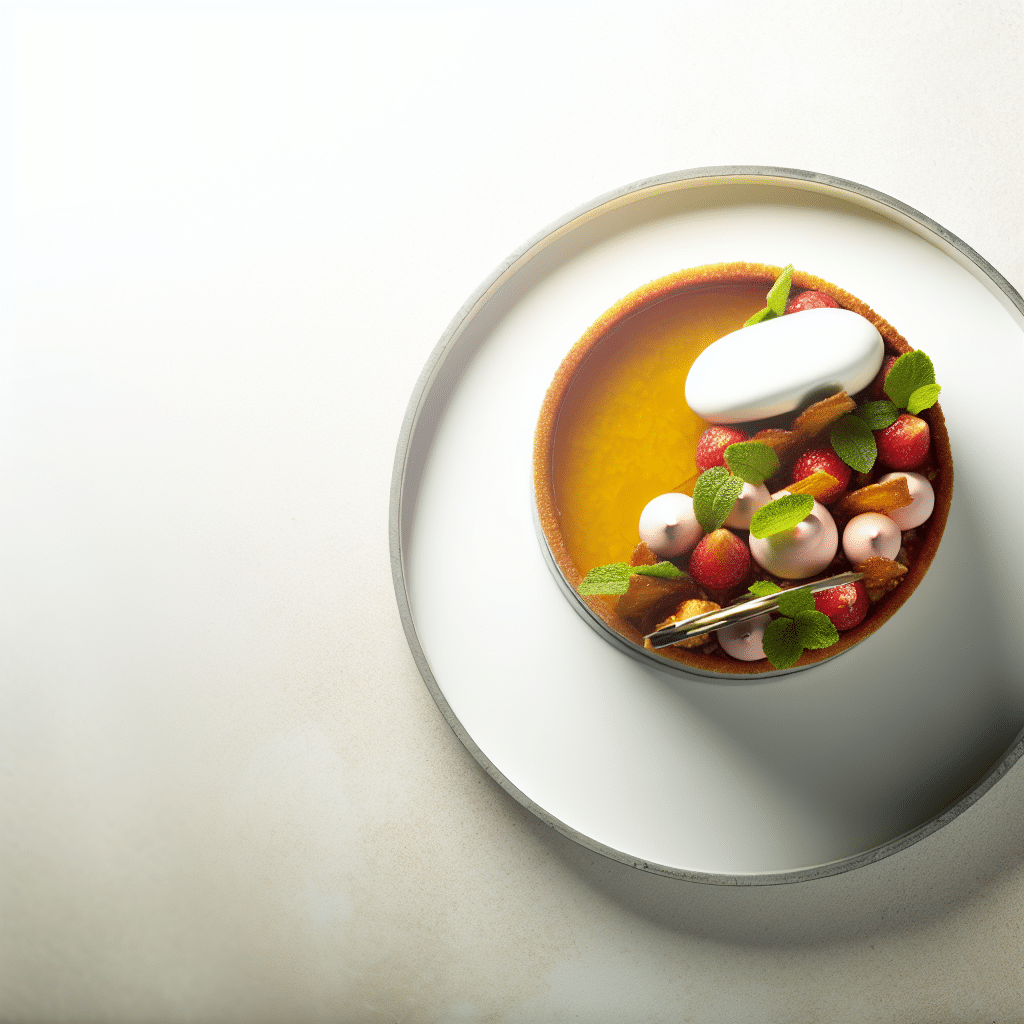
Overview
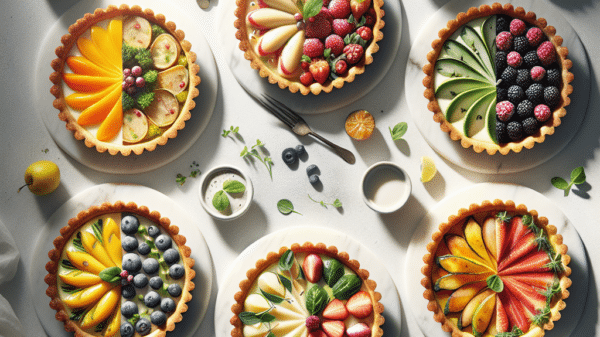
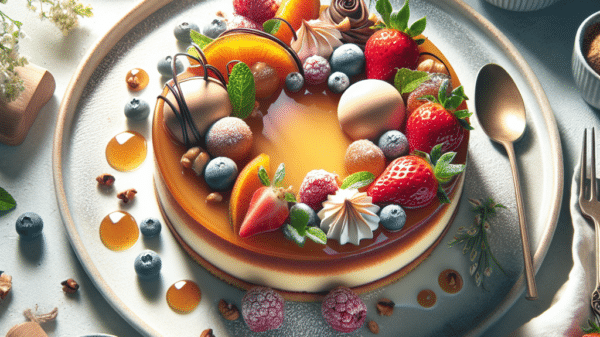
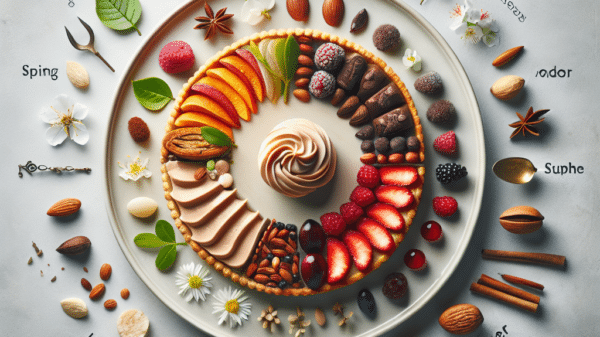
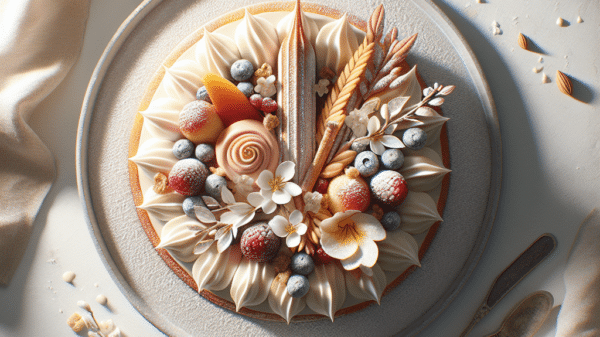
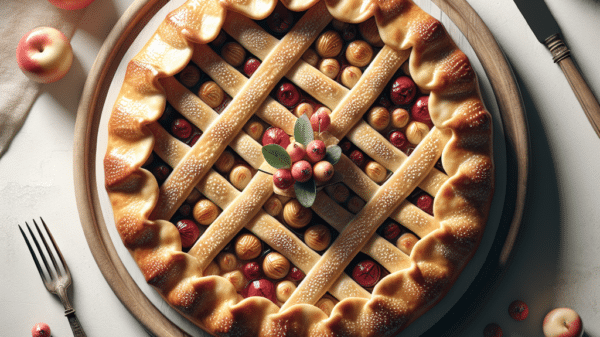
Mastering classic French desserts involves both tradition and technique, making it perfect for ambitious bakers and seasoned pastry chefs alike. This article serves as a seasonal guide, highlighting the iconic sweets of France that can elevate any occasion. Expect to spend around 1.5 hours on prep and cook time, depending on the chosen dessert, with varying levels of difficulty from easy to expert. A rich heritage of French patisserie, these desserts draw flavors from the diverse regions of France, including crystalline meringues from Mont Saint-Michel and indulgent clafoutis from Limousin.
The flavor profiles of French desserts can range from light and airy to rich and decadent, often featuring ingredients such as chocolate, fruits, whipped cream, and custard. They are suitable for a variety of occasions, including family gatherings, elegant dinners, and festive celebrations, ensuring there’s a sweet for every palate.
Ingredients
- Butter: 200g (7 oz)
- Granulated Sugar: 150g (3/4 cup)
- All-Purpose Flour: 200g (1 2/3 cup)
- Eggs: 4 large
- Milk: 500ml (2 cups)
- Vanilla Extract: 1 tsp
- Sea Salt: 1/2 tsp
- Fresh Berries (for topping): 250g (2 cups)
- Cocoa Powder (for chocolate desserts): 30g (1/4 cup)
Traditional French ingredients such as high-quality chocolate and fresh seasonal fruit are encouraged for the sweetest results. The dessert base can be adapted to include various proteins or remain vegetarian, depending on the personal preference or dietary restrictions.
Step-by-Step Instructions
- Prepare the Oven: Preheat your oven to 180°C (350°F). Ensure that you have your baking tray lined and ready to go.
- Melt the Butter: In a small saucepan, melt the butter over low heat, and then set aside to cool slightly.
- Mix the Base: In a mixing bowl, whisk together the sugar and eggs until well combined. Add the melted butter and vanilla extract, mixing thoroughly.
- Add Dry Ingredients: Sift the flour and salt into the mixture and fold gently to avoid overworking the batter, ensuring a light texture.
- Incorporate Milk: Slowly add in the milk, mixing just until smooth. It’s essential not to overmix, as this can lead to a dense outcome.
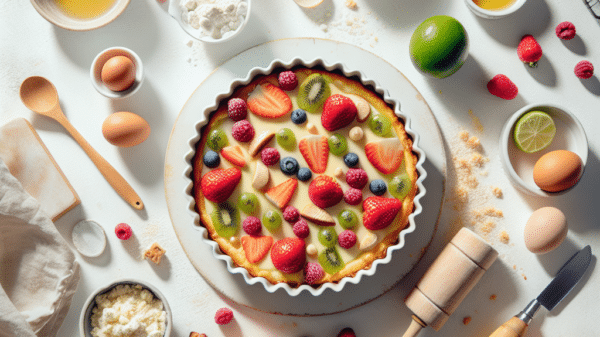
- Fold in the Berries: If using, gently fold in fresh berries to incorporate them without breaking.
- Bake the Dessert: Pour the batter into the prepared baking dish and bake for approximately 30-35 minutes. The dessert should have a golden top and slightly jiggle in the center.
- Cool and Serve: Once done, allow it to cool for at least 10 minutes before serving. Dust with icing sugar or cocoa powder for presentation.
Common mistakes to avoid include overcooking, which leads to a dry dessert, and underincorporating the flour, resulting in a dense texture. Pay attention to the aroma rising from the oven—it should be sweet and inviting.
Variations & Substitutions
If you’re looking for dietary modifications, this dessert can easily be adapted. For a vegan alternative, use unsweetened applesauce instead of eggs and almond milk in place of regular milk. For gluten-free options, try a blend of almond flour and coconut flour.
In terms of regional twists, consider incorporating herbs like lavender or rosemary for a floral note or stunning local fruits like figs or plums for a seasonal taste surge. Modern adaptations could involve reducing the sugar content or using sugar alternatives such as stevia or coconut sugar.
Make Ahead, Storage & Reheating
This classic French dessert can be made up to two days in advance. To store, cover tightly with plastic wrap and refrigerate after it has completely cooled. For longer-term storage, consider freezing individual portions; when properly wrapped, they can last up to a month.
To reheat, it is best to defrost in the refrigerator overnight and then warm it in a preheated oven at 160°C (320°F) for about 10-15 minutes. This will help retain moisture and tenderness.
Nutrition (Approx.)
Each serving of this classic dessert contains approximately 320 calories, with the following macronutrients:
- Protein: 6g
- Carbohydrates: 45g
- Fat: 15g
- Fiber: 2g
These values can vary slightly based on ingredient substitutions, especially if switching to a vegan or gluten-free version.
Serving Suggestions
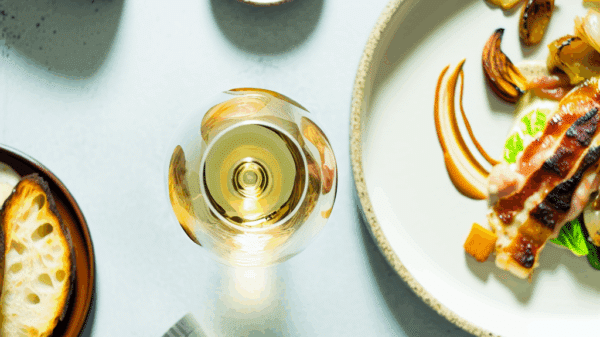
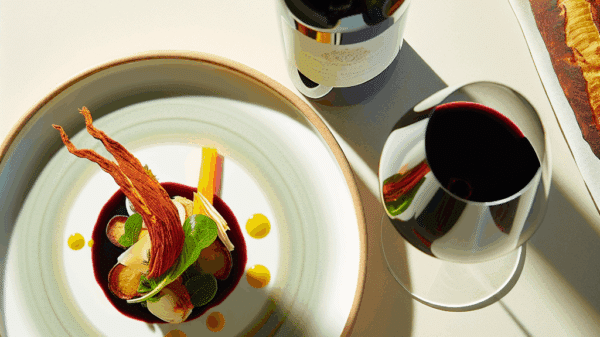
Pair your French dessert with classic sides, such as a light salad of mixed greens drizzled with vinaigrette, or serve alongside a scoop of crème fraîche for tanginess. A sweet dessert wine like Sauternes or a light-bodied red, such as Beaujolais, can enhance the flavors beautifully.
For a family-friendly approach, consider cutting the dessert into fun shapes or serving it with colorful berries on the side. Garnishing with fresh mint or a sprinkle of crushed nuts can add a lovely visual element and texture.
FAQs
- Can I substitute the eggs? Yes, for a vegan version, consider using flaxseed meal or applesauce.
- How long should I bake the dessert? Bake for 30-35 minutes, but always check for doneness with a toothpick.
- Can I make this dessert gluten-free? Absolutely! Use a gluten-free flour blend in place of all-purpose flour.
- What fruits can be used? Any seasonal fruit works well; consider berries, peaches, or apples.
- How do I reheat leftovers? Reheat gently in a preheated oven to maintain texture.
Conclusion
Mastering classic French desserts can be a delightful journey that invites you to explore a range of flavors and techniques. Remember to focus on the details—such as the freshness of ingredients and the precision of your methods—as they are essential aspects of authentic French cooking. Feel free to experiment with variations and explore other desserts as you grow more comfortable with baking. We would love to hear your results or any favorite twists you put on the classic recipes!