
Overview
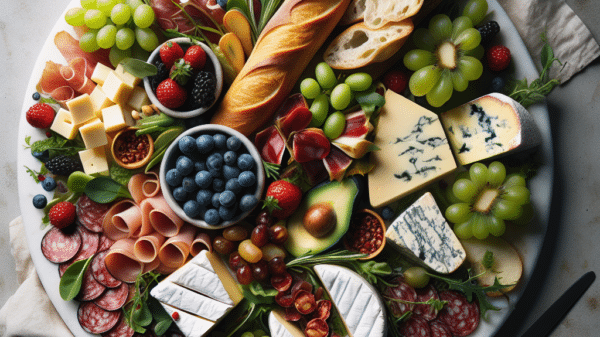
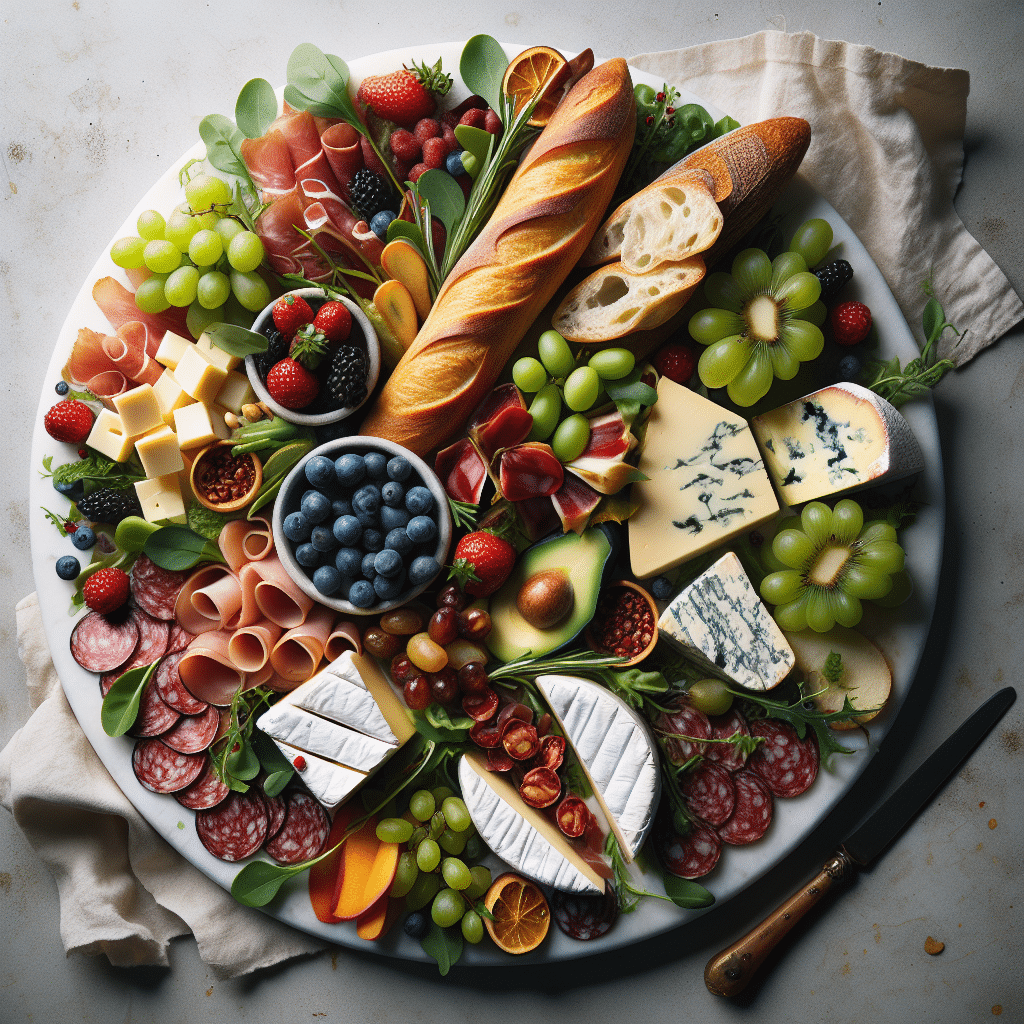
French charcuterie is a delightful blend of cured meats, cheeses, and accompaniments that showcases the art of preserving and enhancing flavors. Ideal for gatherings, it invites friends and family to explore a variety of tastes, making it perfect for everything from a casual weeknight dinner to a lavish holiday feast. With French origins that vary by region—from the rustic charm of Provence to the culinary sophistication of Paris—this dish tantalizes the palate with an array of flavors. Expect to spend about 30 minutes preparing your charcuterie starters, with a difficulty level suitable for both novice cooks and seasoned chefs. The result is a gorgeous platter that pairs well with a range of wines and sparkles at any occasion.
Ingredients
- 200g (7 oz) assorted cured meats (e.g., salami, prosciutto, jambon de Bayonne)
- 150g (5 oz) assorted cheeses (e.g., Brie, Comté, Roquefort)
- 100g (3.5 oz) cornichons (French pickled gherkins)
- 100g (3.5 oz) olives (e.g., Niçoise or Kalamata)
- 50g (1.75 oz) whole grain mustard
- 1 baguette, sliced
- Fresh herbs (thyme, rosemary) for garnish
- 1 seasonal fruit (e.g., figs, pears) for sweetness
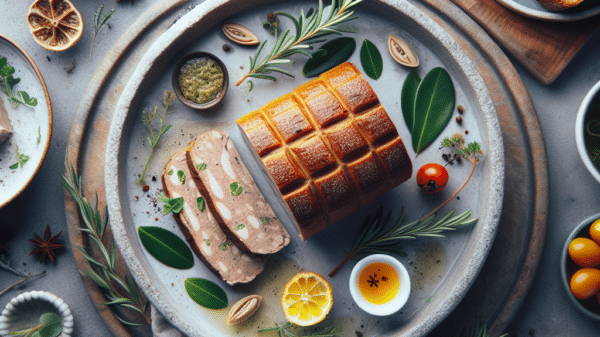
- Optional: 50g (1.75 oz) pâté or rillettes for richness
Step-by-Step Instructions
- Prepare the Meats: Arrange your assorted cured meats on a large wooden board or platter. Folding or rolling them adds visual appeal. Aim for a variety of colors and textures.
- Add the Cheeses: Slice the cheeses into wedges or cubes. Position them next to the meats, ensuring they don’t overwhelm each other. A variety of textures (soft, firm, crumbly) will create an enticing display.
- Incorporate Accompaniments: Distribute the cornichons and olives throughout the platter. Consider using small bowls to add visual interest and keep flavors distinct.
- Include Condiments: Place a small bowl of whole grain mustard for guests to enjoy with the meats and cheeses. This adds a zing that complements the flavors beautifully.
- Add Bread: Include sliced baguette or crackers, ideally placed around the edge of the board for easy access. Toasting the bread slightly can enhance its flavor and texture.
- Finishing Touches: Garnish with fresh herbs and seasonal fruits. This not only adds flavor but provides a pop of color. You can also drizzle honey over the cheese or fruit for added sweetness.
Common Mistakes to Avoid: To keep the dishes appetizing, avoid overcrowding the platter. Be careful not to overseason; let the quality ingredients shine.
Variations & Substitutions
Charcuterie platters can easily accommodate dietary needs. Here are some ideas:
- Vegan Option: Substitute meats with plant-based deli slices and include a variety of nuts, seeds, and hummus.
- Gluten-Free: Use gluten-free crackers or sliced vegetables instead of bread.
- Dairy-Free: Opt for nut-based cheeses; almond or cashew cheese can provide creamy textures that mimic traditional cheeses.
- Regional Twists: Incorporate regional ingredients like Spanish chorizo or Italian prosciutto for a Mediterranean flair.
- Lighter Adaptations: Add more vegetables—like roasted peppers or marinated artichokes—to maintain a balanced platter without overindulging on carbs.
Make Ahead, Storage & Reheating
Much of the charcuterie can be prepared in advance. Meats, cheeses, and pickles can be arranged a few hours prior to serving. For best results:
- Store assembled ingredients covered in the refrigerator temporarily.
- Avoid adding fresh fruits or garnishes until you’re ready to serve to prevent browning or wilting.
- Charcuterie components generally last 3-5 days in the fridge; use airtight containers for optimal freshness.
- Reheating isn’t typically required, but if you choose to serve some elements warm (like pâte), gently warm in an oven, ensuring not to overheat.
Nutrition (Approx.)
Estimated per serving (based on a serving size of 150g):
- Calories: 350
- Protein: 20g
- Carbohydrates: 30g
- Fats: 20g
Note that nutritional values will vary depending on the types of cheeses and meats included in your platter.
Serving Suggestions
To round out your charcuterie experience, consider offering these complementary sides and beverages:
- Sides: A light salad with arugula, goat cheese, and a lemon vinaigrette pairs beautifully.
- Wines: Opt for a light-bodied red wine like Pinot Noir or a crisp Sauvignon Blanc to cut through the richness of the meats and cheeses.
- Kid-Friendly Options: Introduce fun components like cut-up fruits or cheese sticks to cater to younger palates.
- Plaing Ideas: For presentation, utilize rustic wooden boards and add a few sprigs of herbs or edible flowers for color.
FAQs
- Can I customize the meats? Absolutely! Feel free to use your favorite cured meats; the platter should reflect personal tastes.
- How long can I store leftovers? Meats and cheeses can last up to 5 days if stored properly in the refrigerator.
- What should I serve for larger crowds? Simply double or triple the quantities, ensuring a balance between meats, cheeses, and accompaniments.
- Is this dish suitable for outdoor gatherings? Yes! Just keep items chilled to prevent spoilage, especially the cheeses and meats.
- Can I prepare it the night before? Yes, but assemble it just hours before serving to maintain freshness and flavor.
Conclusion
Creating seasonal French charcuterie starters at home is a delightful way to explore tastes and showcase culinary skills. Remember to use quality ingredients, keep presentation in mind, and don’t shy away from personal touches. The beauty of this dish lies in its flexibility, allowing for endless adaptation according to seasons and personal preferences. We invite you to try these variations or experiment with other French appetizers and share your results. Your culinary journey awaits!