
Overview
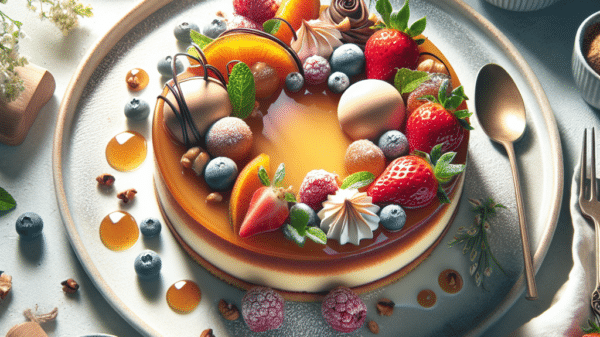
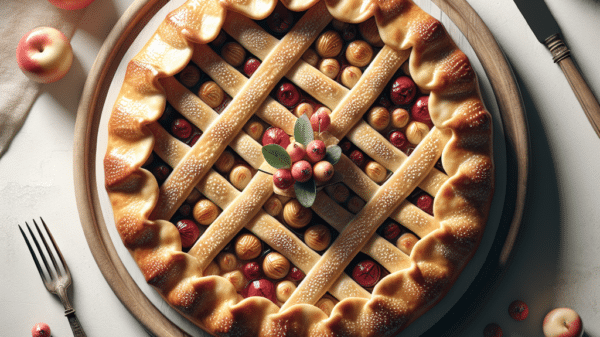
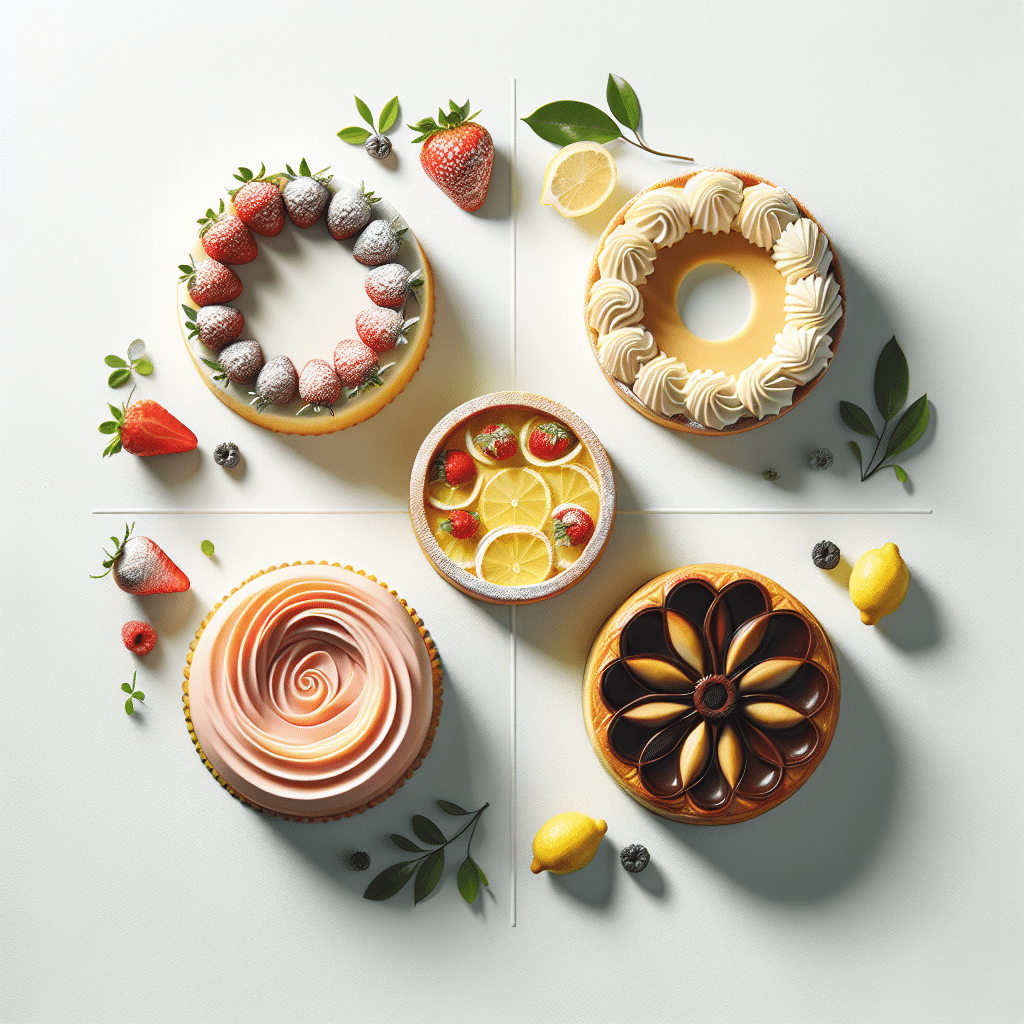
Classic French cakes are elegant desserts that have captivated palates around the globe. Perfect for both novice and experienced bakers, these treats are not just desserts; they are theatrical expressions of culinary artistry. French cakes like the Tarte Tatin, Gâteau Basque, and Financier adapt beautifully across seasons, making them suitable for any occasion—whether it’s a casual weeknight dinner, a festive gathering, or a delightful afternoon tea.
Estimated prep time: 30 minutes; cooking time: 45–60 minutes. Difficulty: Intermediate. Regional origin: Various regions of France, including Normandy, Basque Country, and Paris. The flavor profiles range from rich and creamy to light and fruity, making them versatile enough to please guests of all ages.
Ingredients
- 200g (1 ½ cups) all-purpose flour
- 175g (¾ cup) granulated sugar
- 100g (½ cup) unsalted butter, softened
- 3 large eggs
- 100ml (⅓ cup + 1 tbsp) whole milk
- 1 tsp vanilla extract
- 1 tsp baking powder
- Pinch of salt
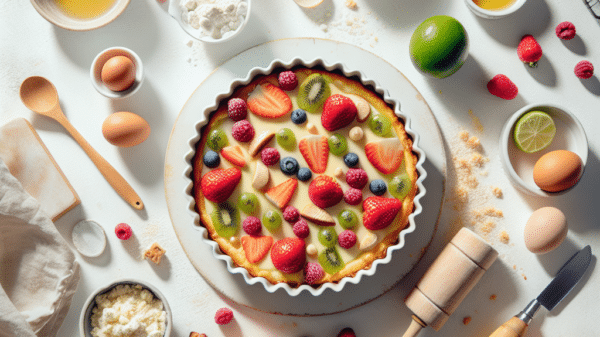
- 200g (2 cups) fresh seasonal fruit (such as strawberries, apples, or pears)
Traditional French ingredients are used wherever possible, including rich European butter and fresh eggs from local farms. The main base is a delightful cake batter that can be transformed with various seasonal fruits.
Step-by-Step Instructions
- Preheat your oven to 180°C (350°F). Grease and flour a round cake pan.
- In a mixing bowl, cream the softened butter and sugar together until light and fluffy, approximately 5 minutes.
- Add the eggs one at a time, mixing well after each addition. Incorporate the vanilla extract.
- In a separate bowl, whisk together the flour, baking powder, and salt.
- Gradually mix the dry ingredients into the creamed mixture, alternating with the milk. Mix until smooth and well combined.
- Fold in your chosen seasonal fruit gently using a spatula to preserve their texture.
- Pour the batter into the prepared pan and smooth the top. Bake for 45-60 minutes, or until a toothpick inserted in the center comes out clean.
- Once baked, allow the cake to cool in the pan for 10 minutes before transferring it to a wire rack.
- For presentation, dust with powdered sugar or serve with whipped cream.
Common mistakes to avoid include overmixing the batter, which can lead to a dense cake, and not greasing the pan sufficiently, risking the cake’s integrity upon removal.
Variations & Substitutions
For those with dietary restrictions, consider these swaps:
- For a vegan version, replace eggs with flaxseed meal and use plant-based butter and milk.
- Opt for gluten-free flour mix for a gluten-free alternative.
- Dairy-free options can be made by using coconut milk and dairy-free butter.
Regional variations might incorporate elements like fragrant lavender from Provence or spices from the spice markets of Lyon. For modern adaptations, you could try layering fresh fruits or adding a citrus glaze for brightness.
Make Ahead, Storage & Reheating
Many of these cakes can be made a day in advance. Simply cover with plastic wrap and store in the refrigerator. For longer storage, freeze the unglazed cake for up to 3 months. To serve, allow to thaw overnight in the fridge and revive flavors by gently warming in a low oven. Always make sure to check for doneness and flavor after reheating.
Nutrition (Approx.)
Calories per serving: 250 kcal; Protein: 5g; Carbohydrates: 35g; Fat: 10g. Note that variations using different fruits or dietary adjustments may change the nutritional profile.
Serving Suggestions
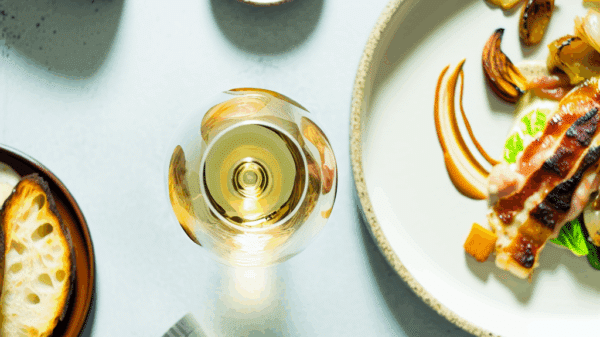
Pair your classic French cake with a fresh salad or a scoop of creamy vanilla ice cream. A light rosé or sparkling wine can elevate the dining experience, while kids might enjoy the cake with a dollop of fruit preserves. Add finishing touches like zest of lemon or orange, or fresh herbs to enhance visual appeal.
FAQs
- Can I use frozen fruit instead of fresh? Yes, but be cautious about excess moisture. Pat the fruit dry before folding it into the batter.
- What if I don’t have a round cake pan? You can use a square or rectangular pan; just adjust the baking time accordingly.
- How do I know when the cake is done? Insert a toothpick in the center; it should come out clean or with a few moist crumbs.
- Can I add nuts to the cake? Absolutely! Walnuts or almonds create a delightful crunch.
- How can I make the cake more decadent? You could drizzle a chocolate ganache or serve with a rich caramel sauce.
Conclusion
Classic French cakes offer a blend of technique and tradition, allowing for both creativity and authenticity in your baking journey. Keep in mind helpful tips such as ingredient quality and proper mixing techniques to ensure your cake comes out perfectly. Don’t hesitate to explore various seasonal fruits or regional flavors for exciting twists. We encourage you to share your baking successes and favorite variations in the comments below!