
Overview
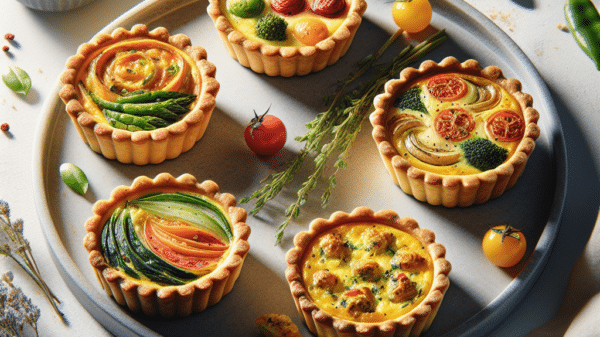
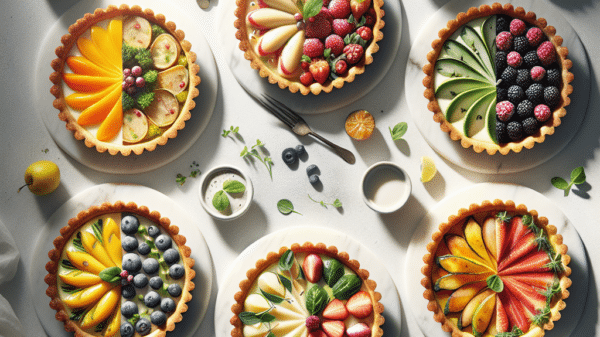
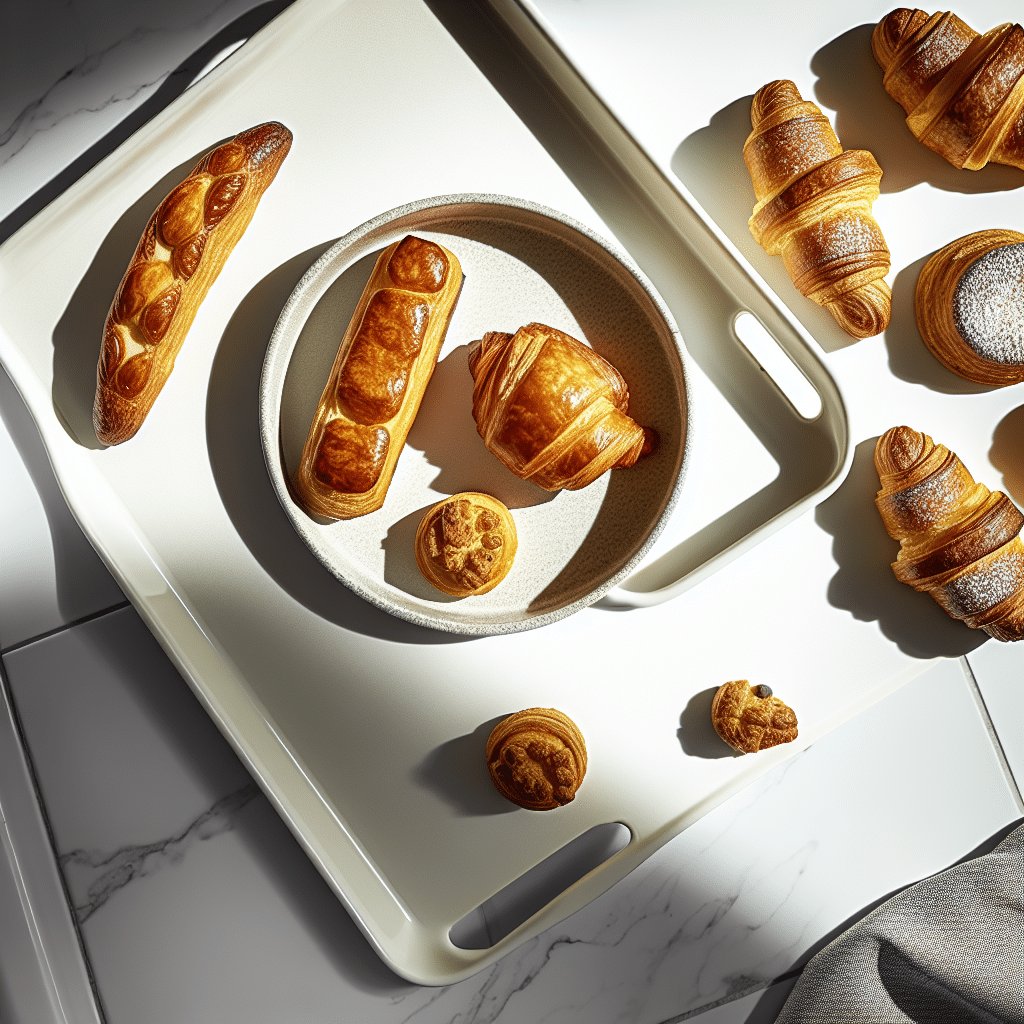
French pastries are a celebration of textures, flavors, and craftsmanship. From flaky croissants to delicate éclairs, these treats are loved by many. This article is designed for home bakers eager to explore classic Parisian pastries, regardless of their skill level. The estimated prep time is 30 minutes, with an additional 1-2 hours of cooking time, depending on the pastry. The overall difficulty varies, but most can be categorized as intermediate. Originating from various regions of France, particularly Paris, these pastries feature intricate techniques that yield sumptuous results.
The rich buttery flavor, combined with hints of sweetness and crunch, is sure to impress, making them ideal for festive gatherings, brunches, or intimate family dinners.
Ingredients
- All-purpose flour: 500g (4 cups)
- Unsalted butter: 250g (1 cup), cold
- Water: 120ml (½ cup), ice-cold
- Granulated sugar: 80g (⅓ cup)
- Yeast (active dry): 10g (2¼ teaspoons)
- Salt: 10g (2 teaspoons)
- Milk: 250ml (1 cup), warmed
- Eggs: 3 large
- Vanilla extract: 5ml (1 teaspoon)
- Pastry cream: (for fillings) 500g (2 cups)
This recipe features classic French ingredients such as unsalted butter and pastry cream, creating light, airy pastries.
Step-by-Step Instructions
- Preparation of Dough: In a bowl, dissolve yeast in warm milk (about 37°C or 98°F) and let it activate for 5 minutes until frothy. This is crucial for a light texture.
- Add flour, sugar, and salt to a mixing bowl. Slowly incorporate the yeast mixture and combine until a soft dough forms.
- Kneading: Knead the dough for about 10 minutes until smooth. Use a cold surface to keep the butter from melting, which can cause dough texture to suffer.
- Chilling: Cover the dough with plastic wrap and refrigerate for 1 hour to let it rest.
- Butter Block: While dough chills, prepare a butter block by placing cold butter between two sheets of parchment paper and pounding it into a 1cm thick rectangle. Chill again.
- Laminate the Dough: Roll out the dough into a rectangle, then place the chilled butter block in the center. Fold the dough over to encase the butter. Roll out and fold the dough into thirds (this is called a ‘turn’) 3 times, chilling for 30 minutes in between turns.
- Shaping Pastries: After the final fold, roll out the dough to your desired thickness (about 5mm) and cut into your preferred shapes for croissants, danishes, or pastries.
- Proofing: Let them rise in a warm area for 1 hour until doubled in size. This is essential for achieving the right fluffiness.
- Baking: Preheat the oven to 200°C (400°F). Brush pastries with an egg wash for a beautiful golden color. Bake for 15-20 minutes until puffed and golden brown.
- Serving: Allow pastries to cool slightly before serving. Plate them elegantly, perhaps with a dusting of powdered sugar for aesthetic appeal.
Common Mistakes to Avoid: Avoid overworking the dough, which can lead to tough pastries. Also, ensure that butter remains cold during the lamination process to achieve the desired flaky texture.
Variations & Substitutions
If you’re looking for dietary swaps, consider the following:
- Vegan: Replace butter with a dairy-free alternative and use flax eggs instead of regular eggs.
- Gluten-Free: Use a gluten-free flour blend designed for baking, but the texture may vary.
- Dairy-Free: Substitute butter with coconut oil or other dairy-free margarines.
Regional twists include adding orange zest or almond paste for a Provence-inspired treat or incorporating seasonal fruits for fresh flavors. Lighter adaptations may involve reducing sugar or using whole grain flours.
Make Ahead, Storage & Reheating
Many components of classic pastries can be made in advance:
- Make Ahead: Prepare the dough and chill it overnight. You can also make pastry cream a day ahead.
- Storage: Baked pastries can be stored in an airtight container at room temperature for up to 3 days or frozen for up to 1 month.
- Reheating: To reheat, place pastries in a preheated oven at 175°C (350°F) for about 5-10 minutes, allowing them to regain their crispiness.
Nutrition (Approx.)
Per serving (1 pastry), the nutritional breakdown is as follows:
- Calories: 270
- Protein: 5g
- Carbohydrates: 34g
- Fat: 12g
- Saturated Fat: 7g
- Sugar: 5g
Keep in mind that variations with fillings may adjust these values.
Serving Suggestions
Consider pairing your pastries with:
- French Sides: A light salad with a vinaigrette or seasonal fruit compote.
- Wines: A crisp French Sauvignon Blanc or a sweet dessert wine like Sauternes.
- Presentation: Use fresh herbs or edible flowers as garnishes, and serve with a dollop of whipped cream or crème fraîche.
FAQs
- Can I use whole wheat flour instead of all-purpose? Absolutely, but expect a different texture.
- How do I know when my pastries are done? They should be golden brown and have a hollow sound when tapped on the bottom.
- What’s the best way to store leftovers? Keep them in an airtight container and consume within three days for optimal taste.
- Can I freeze the dough? Yes, you can freeze the laminated dough. Wrap it well in plastic wrap.
- How long can I leave the pastries out? They can be kept at room temperature for up to 3 days.
Conclusion
Mastering classic Parisian pastries can elevate your baking skills and impress your friends and family. Remember the key cooking tips: keep that butter cold during lamination, and don’t rush the proofing stage. Embrace the artistry of French pastry-making, and feel free to explore variations or create your interpretations. Share your delightful results on social media, or comment below with your favorite pastry variations. Happy baking!