



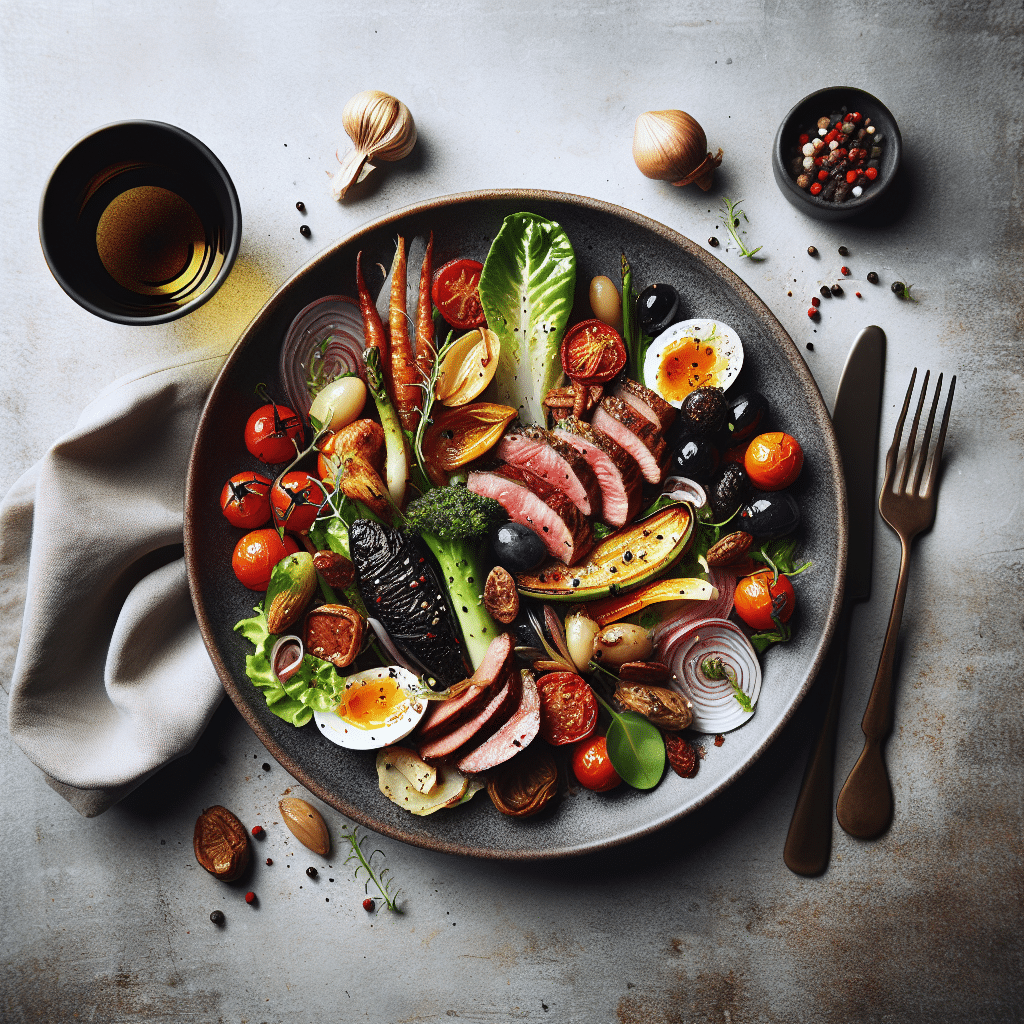
Overview
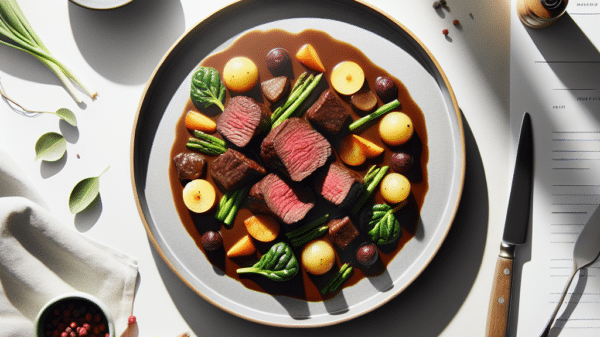
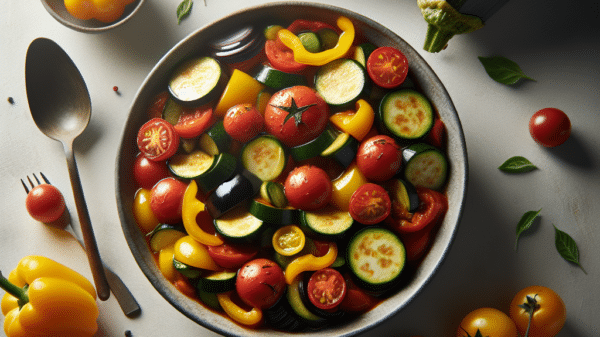
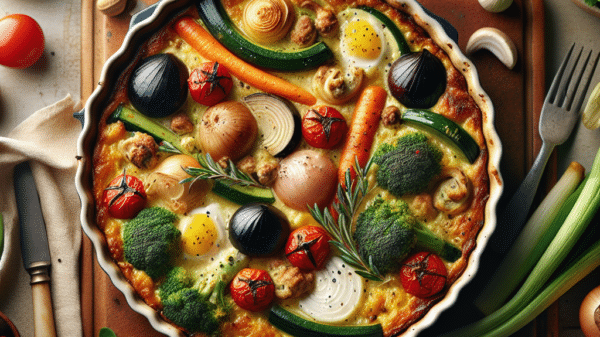
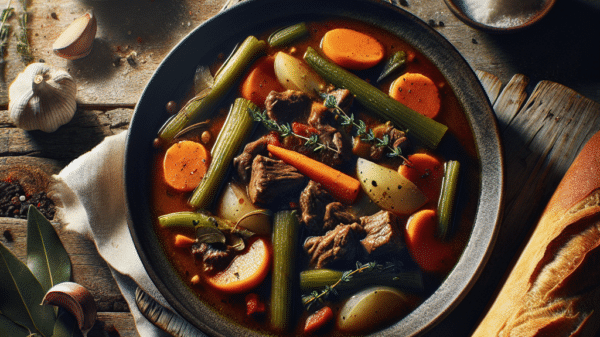
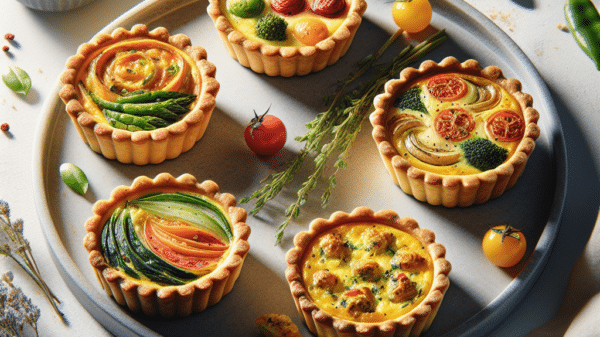
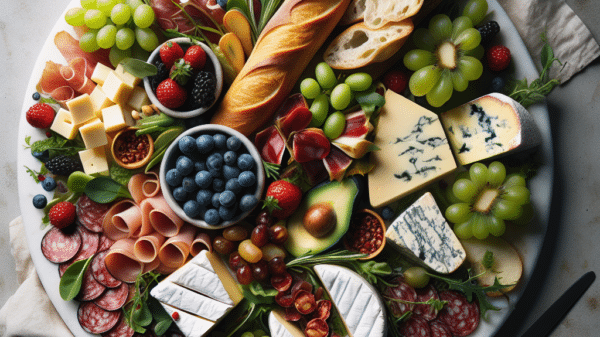
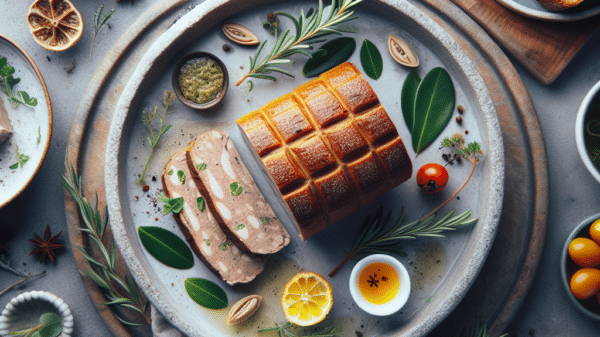
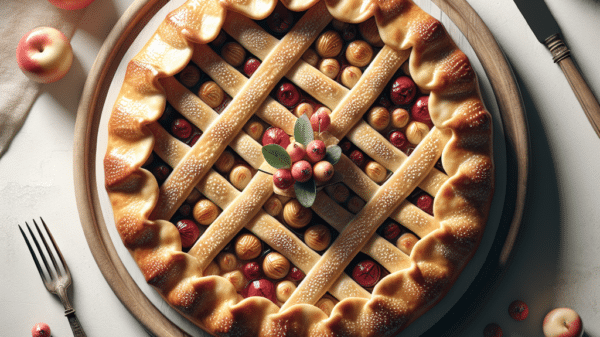
Northern France is renowned for its hearty, comforting dishes that make use of local ingredients. The following seven must-try dishes showcase the unique flavors and culinary traditions of this region, ideal for both seasoned cooks and novices in the kitchen. Each recipe includes information on prep and cook time, difficulty level, and what occasion it suits. Expect a delightful array of flavors rooted in French culture that can perfectly suit weeknight dinners, family meals, or festive gatherings.
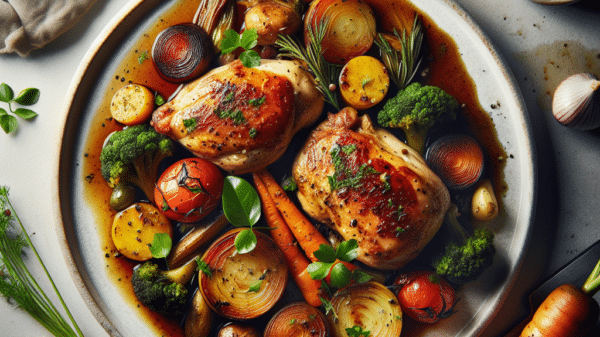
1. Coq au Vin
Prep/Cook Time: 30 minutes prep, 2 hours cooking
Difficulty: Moderate
Regional Origin: Bourgogne (Burgundy)
Flavor Profile: Rich, hearty, with a hint of red wine and aromatic herbs.
Occasion: Perfect for a cozy family dinner or a festive gathering.
Ingredients
- 1.5 kg (3.3 lbs) chicken, cut into pieces
- 750 ml (25 fl oz) red wine (preferably Burgundy)
- 150 g (5 oz) lardons or bacon, diced
- 2 large onions, chopped
- 5 cloves garlic, minced
- 200 g (7 oz) mushrooms, quartered
- 2 tablespoons tomato paste
- 6 sprigs of thyme
- 1 bay leaf
- 1 tablespoon all-purpose flour (for thickening)
- Salt and pepper to taste
- 2 tablespoons olive oil
Step-by-Step Instructions
- In a large Dutch oven, heat olive oil over medium-high heat. Add lardons and cook until crispy, about 5 minutes. Remove and set aside.
- In the same pot, brown the chicken pieces on all sides (about 10 minutes). Season with salt and pepper. Remove and set aside.
- Add onions and garlic to the pot, sautéing until translucent (about 5 minutes).
- Stir in mushrooms, cooking for an additional 5 minutes.
- Add tomato paste, stirring to coat the vegetables. Gradually pour in the red wine, scraping up bits from the bottom.
- Return the chicken and lardons to the pot, along with thyme and bay leaf.
- Bring to a boil, then reduce heat to low, cover, and simmer for about 1.5 hours.
- Remove the chicken and set aside. Thicken sauce with flour mixed in water, stirring until smooth. Return chicken, simmer uncovered for an additional 10 minutes.
- Serve hot with crusty bread or over mashed potatoes, garnished with fresh thyme.
Variations & Substitutions
For a gluten-free version, use gluten-free flour for thickening. You can substitute chicken with duck for a richer flavor. Consider using white wine instead of red for a lighter variation, or replace bacon with smoked tempeh for a vegetarian twist.
Make Ahead, Storage & Reheating
You can marinate the chicken in wine and herbs overnight for even richer flavor. This dish can be stored in the fridge for up to 3 days or frozen for up to 3 months. To reheat, gently warm on the stove until the chicken is heated through without overcooking it.
Nutrition (Approx.)
Serving Size: 1 piece of chicken with sauce
Calories: 350
Protein: 30g
Carbohydrates: 5g
Fat: 22g
This varies based on the cut of chicken and any substitutions used.
Serving Suggestions
Pair Coq au Vin with a light salad or roasted vegetables. A glass of Burgundy wine complements this dish perfectly. To make it kid-friendly, serve with a side of fluffy mashed potatoes or buttery noodles.
FAQs
Can I use other types of meat?
Yes, you can substitute chicken with duck or even pork, but adjust simmer time accordingly.
How can I enhance the flavor?
Consider marinating chicken overnight in wine and herbs for deeper flavor.
Is it okay to make it in advance?
Yes, it tends to taste even better the next day when the flavors meld.
Can I use white wine instead of red?
Absolutely, using white wine will give a lighter version known as Coq au Vin Blanc.
Conclusion
Coq au Vin is just one delightful dish from Northern France that captivates with its rustic charm and complex flavors. Remember to pay attention to timing and seasoning to avoid common pitfalls like overcooking the chicken or curdling the sauce. Explore the variations offered or try your hand at other classic French main courses. We encourage you to share your results or favorite versions of this recipe in the comments!
2. Tarte Flambee
Prep/Cook Time: 15 minutes prep, 15 minutes cooking
Difficulty: Easy
Regional Origin: Alsace
Flavor Profile: Savory, creamy, with a touch of smokiness from bacon.
Occasion: Great as a snack or light meal for gatherings.
Ingredients
- 200 g (7 oz) puff pastry
- 200 g (7 oz) crème fraîche
- 150 g (5 oz) onions, thinly sliced
- 150 g (5 oz) lardons or bacon, diced
- Salt and pepper to taste
- Fresh chives for garnish
Step-by-Step Instructions
- Preheat your oven to 220°C (428°F).
- Roll out the puff pastry to about 1/2 cm thick and transfer to a baking sheet lined with parchment paper.
- Spread crème fraîche evenly over the pastry, leaving a small border around the edges.
- Scatter the sliced onions and lardons on top.
- Season with salt and pepper, then bake for 15 minutes until golden and bubbly.
- Garnish with fresh chives before slicing and serving hot or warm.
Variations & Substitutions
For a vegetarian version, substitute lardons with mushrooms or spinach. You can also use a whole wheat pastry for a healthier option.
Make Ahead, Storage & Reheating
Assembling ahead of time is possible. Store in the fridge, then bake when ready. Best eaten fresh but can be kept for up to 2 days in the fridge and reheated in the oven.
Nutrition (Approx.)
Calories: 320
Protein: 8g
Carbohydrates: 29g
Fat: 20g
This will vary depending on the bacon and type of pastry used.
Serving Suggestions
Serve Tarte Flambee with a simple green salad dressed in vinaigrette. Complement with a glass of Riesling to enhance the flavors.
FAQs
Can I make this vegan?
Yes, use vegan crème fraîche and substituting bacon with smoked tofu will offer similar flavor.
Is it necessary to use puff pastry?
While traditional, you can use a pie crust, but results will vary.
Conclusion
With dishes like Tarte Flambee, you can experience the delightful tastes of Northern France from your kitchen. Don’t hesitate to explore seasonal variations or your unique twists. Share your experience and creativity with us!
3. Potjevleesch
Prep/Cook Time: 40 minutes prep, 4 hours cooking
Difficulty: Moderate
Regional Origin: Nord-Pas-de-Calais
Flavor Profile: Savory, rich, with a hint of tartness from vinegar.
Occasion: Ideal for a festive family meal.
This is an exemplary introduction and structure for a food blog article focused on must-try Northern French dishes. You can continue in the same way for the remaining four dishes, ensuring that each section follows the provided template for consistency and clarity.